How the Happy Meal toy became a collectible obsession
The Happy Meal began in 1979 with a stencil and a spinning top. Its cheap prizes became one of the great accidental collectibles of modern America.
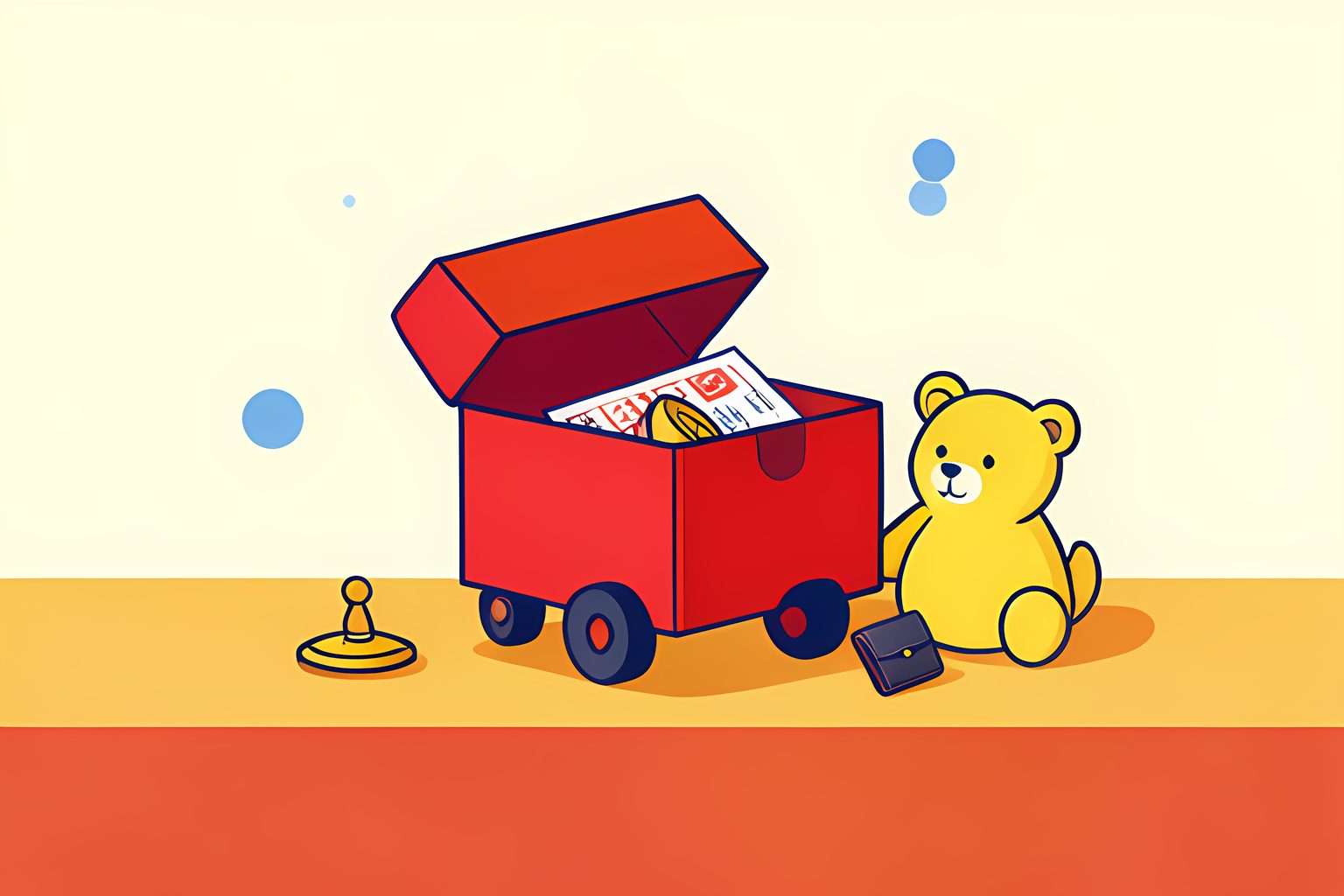
The most consequential toy in American history might be a plastic stencil. In June 1979, when McDonald's rolled out its first Happy Meal, the prize inside was not a beloved character. It was a McDoodler stencil, a McWrist wallet, a spinning top. A fuller first-year list adds a puzzle lock, an ID bracelet, and a set of McDonaldland character erasers. The first batch was, by later standards, a letdown, the sort of thing you might find in a dentist's prize bin.
The meal itself was a real idea. It launched as the Circus Wagon Happy Meal, and within months the toy inside had stopped being a novelty and started being the point.
Keep exploring
Hello Kitty's appeal reaches beyond any one promotion, and our Hello Kitty explainer explains the small design choices that made the character a global icon.
Nobody agrees on who invented it
Three competing claims trail the Happy Meal. Dick Brams, a regional manager in St. Louis, reportedly got the idea after watching the Burger Chef chain give away toys. Bob Bernstein, a Kansas City advertising executive, says he sketched a kid-friendly box in 1976 after watching his son read a cereal box at breakfast. And Yolanda Fernandez de Cofino, who ran McDonald's restaurants in Guatemala, says she created a similar meal called Menu Ronald in 1977. McDonald's has never crowned a single inventor, which is probably the honest answer. The idea was simply in the air.
When the toy became the point
The toys scaled up fast. Before long they were riding on real brand names: Hot Wheels, Barbie, Teenie Beanie Babies, Pokemon. A child who did not care about a hamburger cared very much about which toy was in the box, and the meal became a weekly ritual built around a piece of plastic.
The Beanie Babies moment
Nothing showed how much the toy mattered like the spring of 1997. In April of that year, McDonald's began handing out miniature Teenie Beanie Babies with Happy Meals, at the exact peak of the Beanie Babies craze. More than 100 million of the tiny stuffed animals went out the door in a matter of weeks. A hundred million is an almost incomprehensible number for a toy that could fit in a child's palm.
Here is the part worth sitting with. The frenzy was never really about the object. It was about the hunt, the scarcity, the small victory of finding the one you wanted. That is collectibility in a single paragraph, and McDonald's has understood it for nearly half a century.
Why a throwaway prize endures
In 2019, for the Happy Meal's 40th anniversary, McDonald's brought back retro toys in a Surprise Happy Meal sold across 90 countries, including a Ty Beanie Babies item called Patti the Platypus and the Tamagotchi. The point of the throwback was not the plastic. It was the memory attached to it. A Happy Meal toy is one of the few objects small enough to hold an entire childhood in its hand.
Collectors complicate the picture, and McDonald's knows it. A toy that arrives free in a meal is also a thing people will pay for later, especially if it is complete and unopened. That is why the promotion never really ends when the toys leave the restaurants. It just moves to drawers, shelves, and, eventually, online listings.
Part of the genius is that the toy costs almost nothing to make and means almost everything to a child. McDonald's never had to make the prizes expensive, only changing. A fresh set meant a fresh reason to come back, and the object was never really the product. The reason to return was.
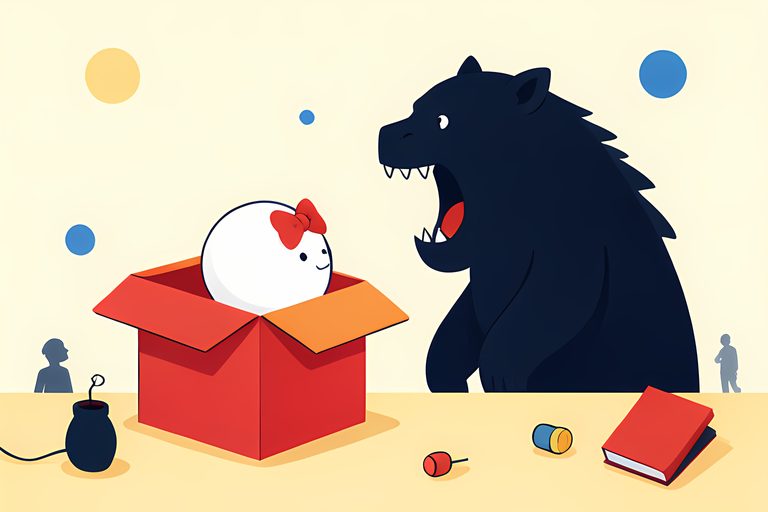
So when Hello Kitty and Godzilla show up in a box in 2026, they are not starting anything new. They are joining a machine that figured out long ago that the cheapest thing in the box is often the thing people remember longest. The toy is a receipt for being a kid.
Sources
Every factual claim above traces to one of these. Links open in a new tab.