Rokerthon explained: 34 hours to a conga line on ice

Rokerthon was never just one marathon forecast. It kept changing the thing being measured, until a weather stunt became a road trip, a campus party and a kitchen relay.
At 4:45 a.m. on March 31, 2017, a SUNY Oswego student checked in, collected a green shirt and wristband, and found a banana waiting on a chair. Hours later, the student was one of 593 skaters in the world's longest conga line on ice. The university's behind-the-scenes account includes the banana, a detail no record certificate could possibly improve.
That morning contains the whole Rokerthon idea in miniature: something cheerfully ridiculous, organized with absolute seriousness, then completed by a crowd. Rokerthon was the recurring name for Al Roker's record attempts, but it was not one permanent competition. Each edition changed the variable. First came time, then distance, then participation, then a virtual relay.
2014: time was the variable
The first Rokerthon asked the simplest possible question: how long can one live television weather report continue? Guinness World Records lists the answer as 34 hours, set at NBC Studios in New York from November 12 to November 14, 2014. The broadcast began on MSNBC, finished on TODAY and streamed online, according to the official record page.
Continuous did not mean break-free. The USO's account says Roker could accumulate five minutes of rest for each hour completed, which let the team bank a longer break overnight. Viewers sent weather questions while the event raised money for the USO. The rule matters because it turned a loose endurance stunt into a repeatable record with a clock and a defined rest system.
2015: distance replaced endurance
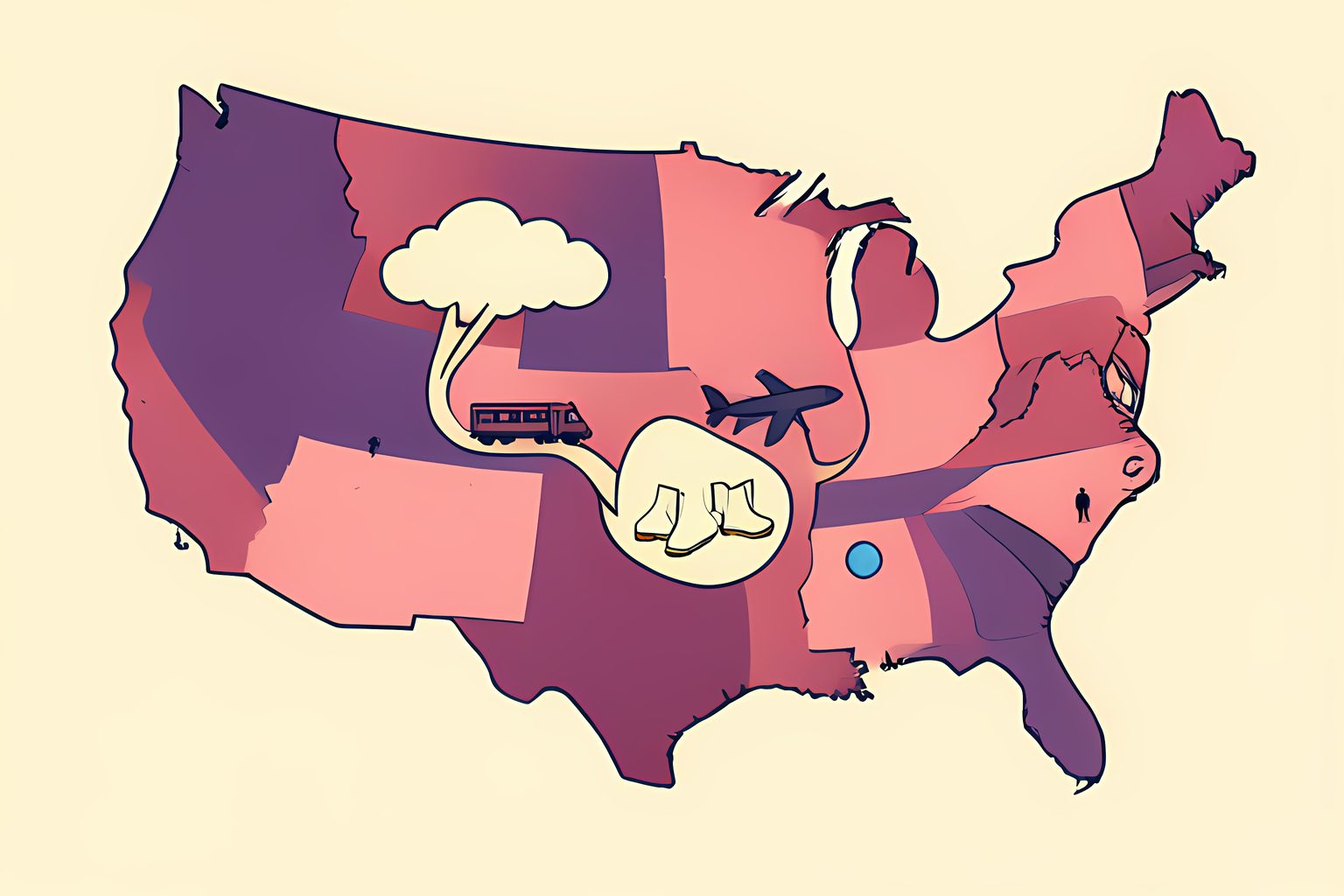
Rokerthon 2 changed the assignment completely. Starting in Hawaii on November 6, 2015, Roker reported from all 50 states in seven days and 18 minutes. The Guinness recap follows the trip by plane, train and automobile, with local forecasters joining along the route. It also records two welcome bits of road-trip texture: several goats joined the journey, and his return to New York included a homecoming parade.
The achievement was no longer about staying awake in one studio. It was a logistics puzzle. Fifty qualifying stops had to fit inside one continuous elapsed time, and each new place turned a national map into a succession of local welcomes. Weather supplied the common language, but the route made the people visible.
2017: the crowd became the record holder
| Campus | Rokerthon 3 record |
|---|---|
| University of Oklahoma | 490 people in a human cloud and 280 in a human lightning bolt |
| Northern Michigan University | 634 people in the largest game of freeze tag |
| University of Tennessee | 4,223 people in the largest human letter |
| Loyola University Maryland | 494 people crab-walking together |
| SUNY Oswego | 593 people in the longest conga line on ice |
The five-campus Rokerthon 3 turned spectators into the event. Guinness reported each result, but the local preparation explains how a mass record becomes verifiable. At Northern Michigan, participants wore team armbands, volunteer stewards watched assigned groups and an official adjudicator observed the game. The university reported that 634 players remained in the game for the required 15 consecutive minutes.
Guinness says any accepted title must be measurable, breakable, standardizable and verifiable, with one variable determining the result. Evidence can include witness statements, photographs, video and documents. Those basic criteria explain the shirts, wristbands, stewards and rehearsals. The fun could be wonderfully messy. The proof could not.
2020: the line moved into kitchens
Rokerthon 4 worked without a shared rink, plaza or studio. On August 6, 2020, 69 people completed an online sandwich-making relay. The Guinness record entry says the virtual event supported Feeding America and World Central Kitchen. A record built for separate little screens still ended with one communal sandwich-making chain.
Why the format kept working
Rokerthon's cleverest move was refusing to become a sequel to itself. Thirty-four hours proved endurance. Fifty states tested motion and coordination. The campus tour made room for thousands of co-owners. The online relay reduced the action to one small, useful kitchen task at a time. Every edition had a clean quantity, yet none felt like arithmetic homework.
A weather marathon became a road trip, then a field day, then a sandwich line. The lasting thread was not a plaque. It was Roker's knack for making precision feel sociable. Somewhere between the stopwatch and the banana on that folding chair, the record stopped belonging to one television host and became a story a few thousand people could tell together.
Sources
Every factual claim above traces to one of these. Links open in a new tab.
- Longest uninterrupted live TV weather report
- Rokerthon complete: Al Roker sets the Guinness World Record for longest televised weather forecast in support of the USO
- Al Roker completes record-breaking Rokerthon weathercast from all 50 US states in just 7 days
- Rokerthon 2017: Al Roker breaks records with US universities
- Al Roker returned
- NMU Breaks World Record on National TV
- What makes a Guinness World Records title
- Most people in an online sandwich-making relay