Inside Connections' Purple Category, the Game Asks You to Think Sideways
The yellow group is easy, the purple group is not, and the difference is not about vocabulary. Here is what the hardest category actually asks of your brain.
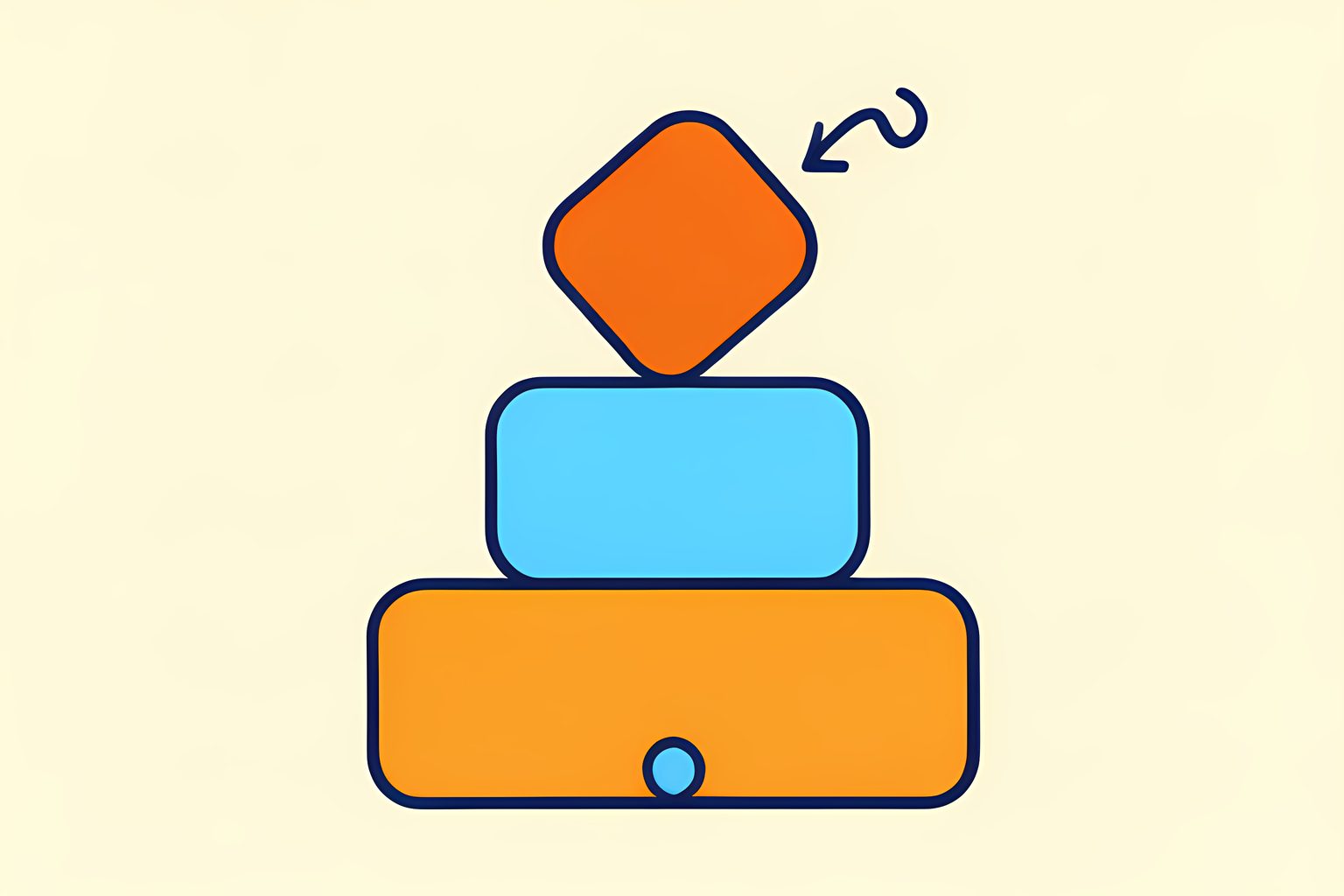
In every NYT Connections puzzle there is one group that a lot of people never finish. That group is the purple one, the last rung in the difficulty ladder, and I have watched myself spend ten minutes on it only to realize the four words share something I was not even looking at.
The color system is the game's most honest piece of design. Every board has four categories, one per color: yellow is easiest, then green, then blue, then purple is hardest. The lower colors reward noticing that words share a meaning or a context. Purple rewards noticing something about the words themselves that has nothing to do with what they mean.
That is the real reason purple feels brutal. The words are not harder; they are connected more loosely. A purple group might be four words that start with synonyms of another word that never appears in the grid, or four words whose letters are hiding something. The game reaches for palindromes, homophones, and fill-in-the-blank tricks, the stuff your dictionary will not help you with.
The trap is not that purple hides its theme. Purple hides the frame you need in order to see it. A word like "match" can be a flame, a sports contest, or half of a pair, and the game will happily let you build a wrong group around whichever meaning you reached for first.
Here is my read of why it stumps us. A board of sixteen overlapping words is a machine for two well-known mental habits at once. You latch onto a word's most common meaning and stop seeing its other uses, and once you decide four words belong together you start collecting evidence for your own mistake. The grid is built to trigger both, on purpose.
The four-mistake limit sharpens it. You can afford to clear yellow and green without much risk, but by the time you reach purple you are often one wrong guess from the end, and the game has just told you "one away" on a guess you were sure about. The pressure is not time - there is no timer in the base game - it is the narrowing margin of error.
Experienced solvers clear the obvious groups first and hoard their remaining guesses, because the one piece of feedback you get - "one away" - is worth far more when only two categories are left.
The hardest group is also the funniest
Here is the part that reframes the whole thing. Purple is where the game's joy actually lives, because a purple solve is the only one that reliably makes you laugh out loud. Say the four words turn out to be slang for sausage - brat, dog, frank, link. That is not a reward for knowing more words. The reward is letting go of the obvious, and that click is what people are chasing when they search for a hint instead of the full answer.
On the Design Tangents podcast, a host summed up Wyna Liu's puzzles as "the torture and sometimes bliss that she has created for us." The phrasing is exactly right. The torture is temporary and self-inflicted. The bliss is the lateral click, and it arrives only after you stop staring at what the words mean.
So the honest way to think about the purple group is not a verdict on your vocabulary. That is a signal that you were thinking the way the game wanted you to, and the game was waiting for you to stop. Once you know that, the daily hunt for a hint becomes something gentler: a nudge toward the one angle you have not tried yet, rather than a report card on how smart you are.
Sources
Every factual claim above traces to one of these. Links open in a new tab.