NFL Practice Squad Guide: Quarterback Rules and Elevations

Operating under structured salary tiers, elevation caps, and protected weekly reps, NFL practice squads provide an essential developmental incubator for quarterbacks.
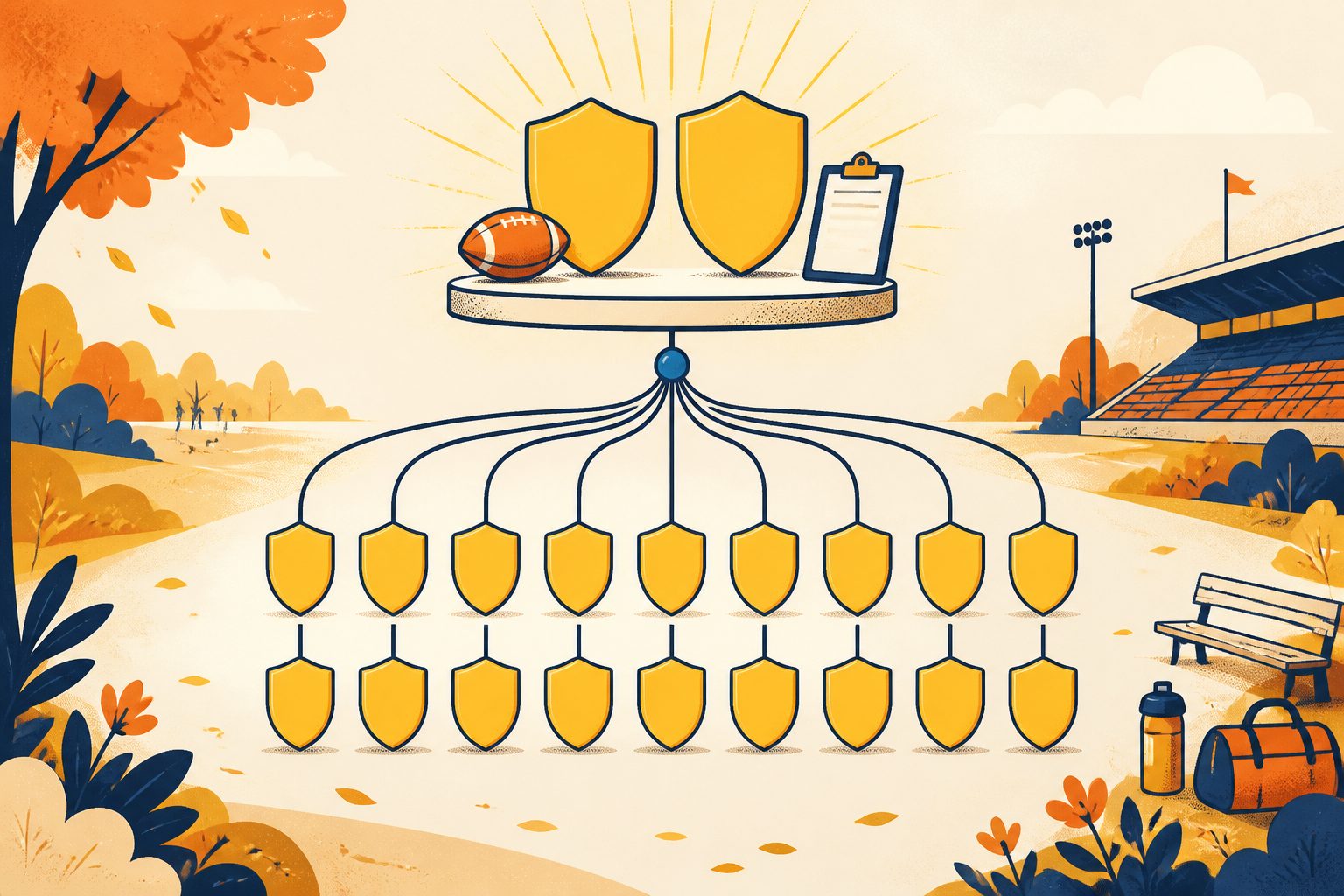
When an NFL franchise announces its final 53-man roster each August, casual fans often assume that players who missed the cut have reached the end of the road. In reality, modern roster construction relies heavily on a 16-player developmental reservoir known as the practice squad. When I examined the league's Collective Bargaining Agreement, what became immediately apparent is how deliberately the practice squad is structured to incubate complex positions like quarterback. At Joyful Take, we appreciate how thoughtful labor rules protect player growth behind the scenes.
Understanding how the practice squad operates clarifies why promising young passers frequently spend full seasons running scout teams without taking a single Sunday snap. The system balances team depth with individual player mobility through specific contractual safeguards.
Roster Sizes and Experience Categories
Under standard NFL guidelines, each franchise can sign up to 16 players to its practice squad, with a 17th spot available if the team carries a qualifying International Player Pathway participant. The squad is divided into distinct eligibility tiers to prevent teams from stockpiling only seasoned veterans.
- Tier 1 (Up to 10 players): Athletes who have accrued two or fewer NFL regular-season years, creating space for recent draft picks and undrafted rookies.
- Tier 2 (Up to 6 players): Seasoned veterans with unlimited accrued seasons, allowing teams to keep experienced mentors in the quarterback meeting room.
- International Exemption (1 player): An optional designated roster exemption for international athletes, providing extra organizational flexibility.
2026 Compensation Structures
Practice squad salaries are paid weekly across the 18-week regular season schedule. For players with two or fewer accrued seasons, the 2026 Collective Bargaining Agreement establishes a fixed weekly wage of $13,750, translating to a full-season compensation of $247,500. Veterans with more than two accrued seasons negotiate weekly salaries ranging from $18,350 to $22,850.
Crucially, if a practice squad player is elevated to the active game-day roster, their compensation for that specific week jumps to the prorated active roster minimum for their experience level. That financial boost provides tangible reward for developmental effort.
Game-Day Elevations and Reversion Rules
Teams may elevate up to two practice squad players for any regular-season contest. An individual player can be elevated a maximum of three times during the regular season. On the Monday following the game, the player automatically reverts to the practice squad without passing through the waiver wire.
If a team wants to play that athlete in a fourth regular-season game, it must officially sign them to the 53-man active roster. In our assessment, this elevation limit creates an ingenious tactical balance: it gives head coaches short-term injury insurance while ensuring players cannot be indefinitely shuttled between tiers without earning a full active contract.
Poaching Protections and Three-Week Active Mandates
Any practice squad player is technically a free agent who can sign with another NFL club at any point during the season, with one major condition: the acquiring team must sign the player directly to its active 53-man roster. A rival cannot sign a player from another team's practice squad directly to its own practice squad.
Additionally, the league mandates that the signing team must keep that poached player on its 53-man active roster for a minimum of three weeks and pay three full weeks of active game checks, even if the player is released earlier. This financial barrier prevents franchises from casually raiding opponent practice squads for short-term playbook intelligence.
The Quarterback Developmental Advantage
For a developing quarterback, the practice squad offers an invaluable, pressure-free workshop. While the starting quarterback prepares specifically for Sunday's opponent, the practice squad passer runs the scout team offense during midweek practices. Imitating opposing offensive systems allows young quarterbacks to test throwing windows, refine footwork mechanics, and build arm velocity against starting NFL defenses every single Wednesday and Thursday.
Freed from the immediate glare of weekend game plans, quarterbacks use practice squad reps to experiment with throwing trajectories and footwork timing. They receive direct feedback from defensive coordinators and veteran cornerbacks. That daily competitive crucible has quietly launched some of the most productive developmental arcs in professional football.
Sources
Every factual claim above traces to one of these. Links open in a new tab.
- NFL Football Operations: Player Contracts and Roster Rules
- NFLPA Collective Bargaining Agreement Practice Squad Terms
- NFL Practice Squad Rules, Salary, and Elevation Guidelines Explained
- NFL Practice Squad Rules: Eligibility, Salary, and Roster Size Breakdown
- NFL Practice Squad Explainer and Roster Movement Protocols