Madagascar Barea Football Identity Grew From a Sacred Zebu Symbol

Long before stunning the continent in 2019, Madagascar built its football identity around the revered zebu cattle that embody resilience across the island.
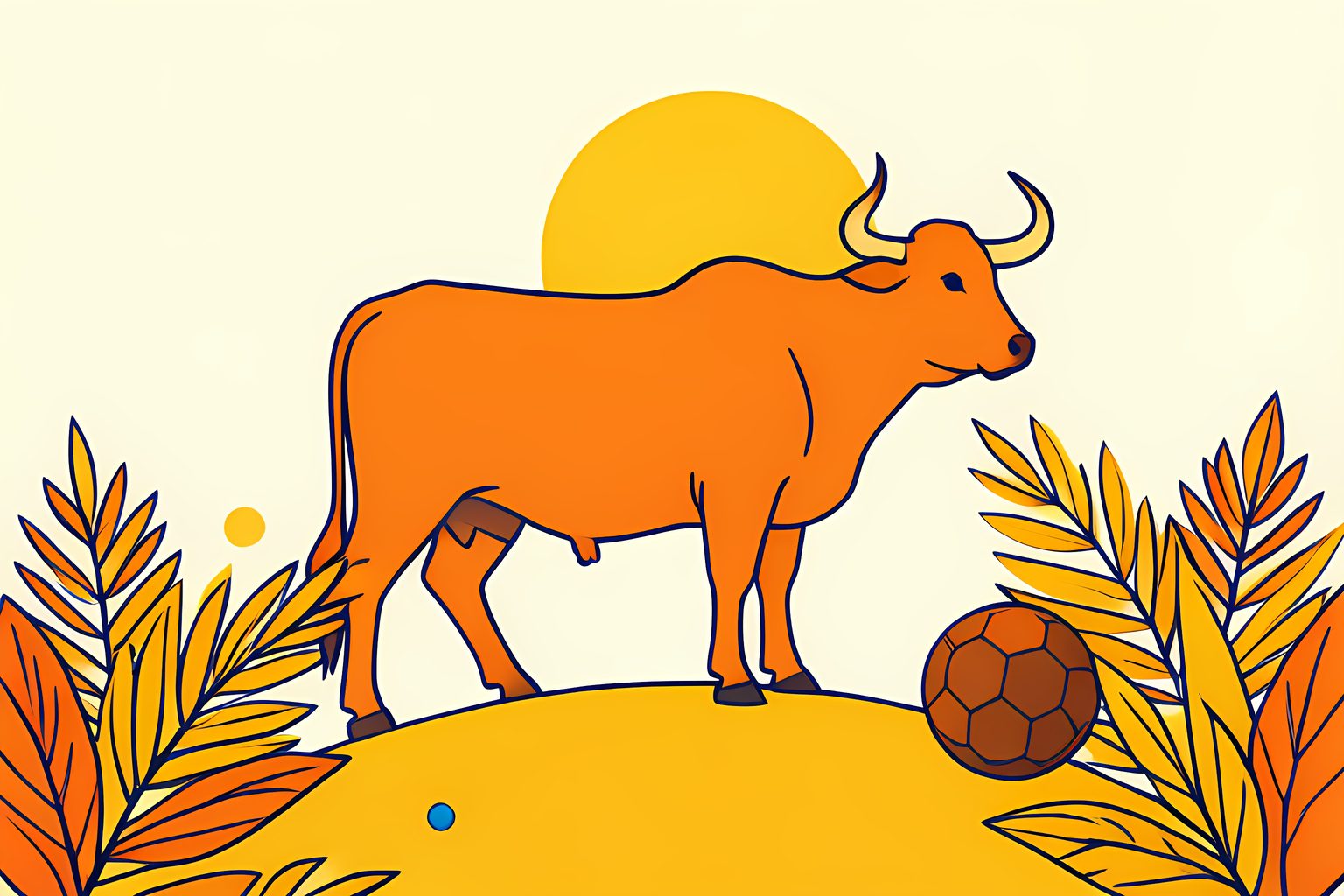
When I first researched national football team nicknames across Africa, Madagascar stood out with one of the most authentic emblems in global sport. Many squads adopt roaring predators or soaring birds. Madagascar chose the zebu. Known locally in the Malagasy language as the Barea, this long-horned cattle breed represents the economic foundation and everyday heartbeat of the island. The choice was deliberate. It honored history.
We at Joyful Take appreciate how deep cultural traditions can elevate an underdog squad into a unifying symbol of collective joy. For several decades following independence, the Malagasy national team competed under generic regional names such as the Scorpions. Around 2005, the Malagasy Football Federation organized a nationwide initiative to reconnect the national team with indigenous heritage. The zebu has held a sacred place in Malagasy life for centuries. It crowns the official coat of arms of the republic, signifies familial prosperity during ancestral ceremonies, and embodies quiet physical power.
The Malagasy Barea Heritage Sheet
- Moniker Origin
- Barea (the revered humped zebu cattle of Madagascar).
- Cultural Meaning
- Symbol of strength, physical endurance, prosperity, and community resilience.
- National Crest Presence
- Featured prominently on the official Coat of Arms of Madagascar.
- Historic Milestone
- 2019 Africa Cup of Nations debut and quarterfinal fairy-tale run.
- Famous Upset
- 2-0 victory over three-time champions Nigeria in Alexandria (June 30, 2019).
The Zebu as an Island Cultural Pillar
To appreciate why the Barea moniker resonates with 28 million citizens, one must observe how the animal shapes everyday life across the island. The zebu plows terraced rice paddies in Antananarivo and grazes southern savannas. It pulls wooden carts across unpaved mountain roads. When Malagasy footballers put on the national jersey, they carry a visible tribute to that tireless work ethic. The symbol endures.
The moniker also mirrors the national team's historical path through international football. For decades, Madagascar languished near the bottom of FIFA rankings, once sinking as low as 190th in the world. Without lavish training complexes or state-of-the-art academy infrastructure, the federation steadily nurtured grassroots players across provincial leagues. They also welcomed diaspora talent drawn by a shared love for their ancestral homeland.
The Alexandria Fairy Tale of 2019
The global coronation of the Barea name arrived in Egypt during the 2019 Africa Cup of Nations. Making their maiden appearance at the tournament after half a century of qualification heartbreaks, Madagascar entered the competition as total outsiders. On June 30, 2019, at the Alexandria Stadium, they faced Nigeria's three-time continental champions. What unfolded remains one of the most delightful upsets in international football.
Lalaina Nomenjanahary pounced on an early defensive hesitation to slot the ball home in the thirteenth minute. The bench erupted. In the second half, Carolus Andriamatsinoro curled a deflected free kick past the goalkeeper to seal an astonishing 2-0 victory. The win shocked the entire tournament. It propelled the debutants to finish top of their pool, sparked spontaneous street carnivals across Madagascar, and carried the squad all the way to the tournament quarterfinals.
Grassroots Inspiration Across the Island
The cultural impact of that magical Egyptian run continues to reverberate across island communities today. From coastal fishing towns like Toamasina and Mahajanga to the mountain cities of Antsirabe and Fianarantsoa, neighborhood youth teams proudly brand their jerseys with hand-drawn zebu horns. Grassroots pitches made of packed red clay are filled every weekend with young footballers inspired by the knowledge that international glory is within reach. They play with pure joy.
A Living Emblem of Pride and Hope
When I rewatch the highlights of that Egyptian campaign, the pure delight radiating from the Malagasy bench captures the true essence of sports. The Barea proved that tactical unity and collective determination can bridge immense resource disparities. Today, whenever Madagascar steps onto the pitch for an AFCON qualifying match, we see a team animated by a sacred national symbol that will always endure.
Sources
Every factual claim above traces to one of these. Links open in a new tab.