Inside Babe Ruth's Baltimore, from Emory Street to Camden Yards

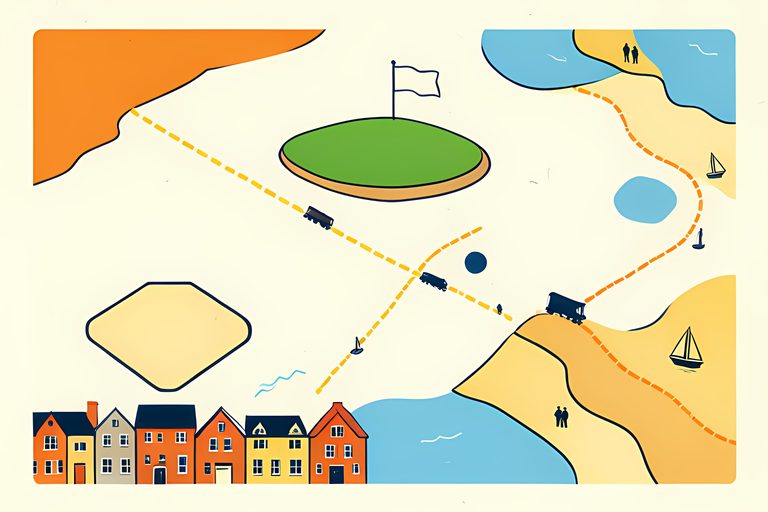
The Yankees' greatest slugger was born a short walk from the Orioles' ballpark, and his family's saloon stood where left-center field is now. Here is the Baltimore map of Ruth's early life.
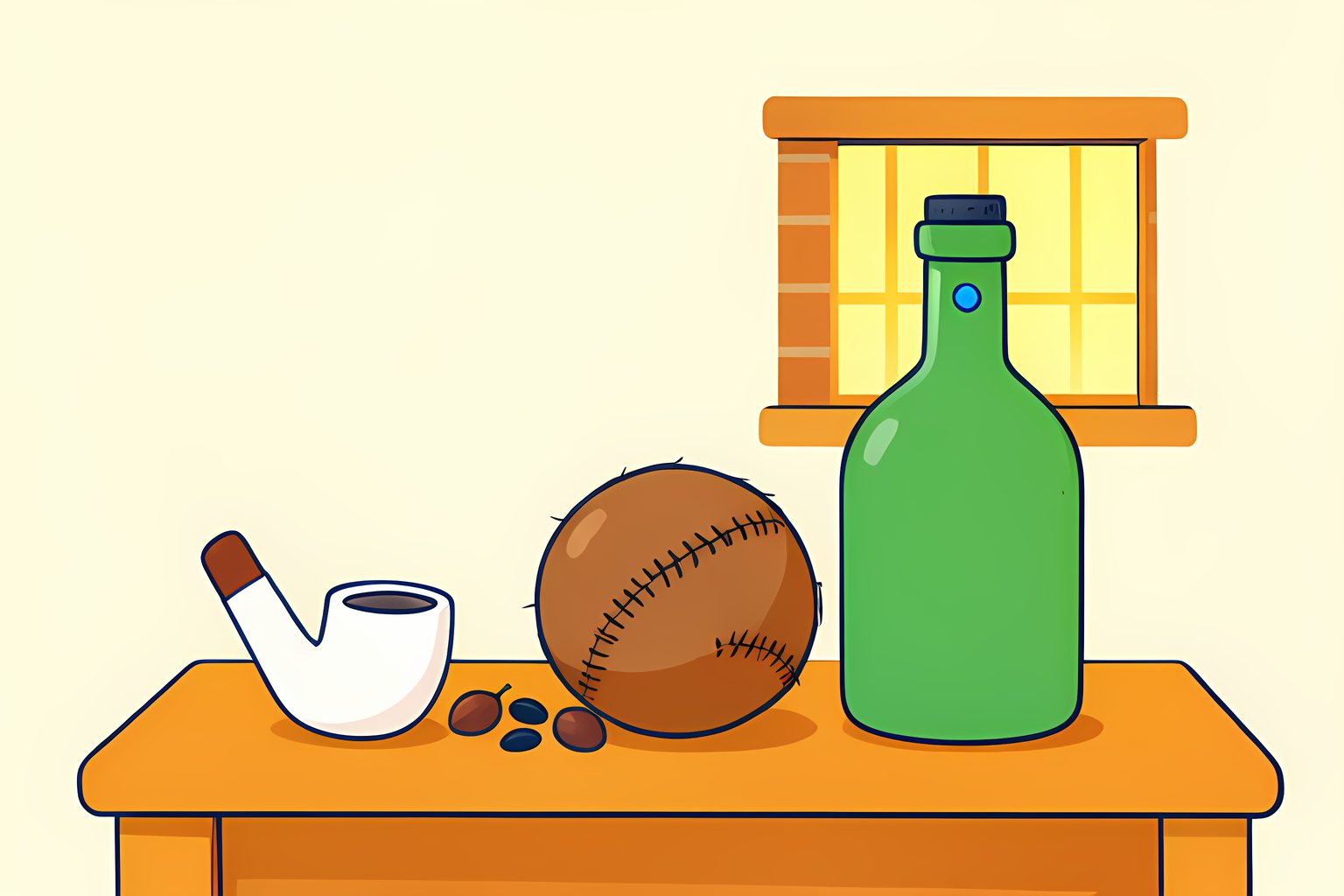
In 1992, before Oriole Park at Camden Yards opened, archaeologists dug into the Ruth family's old privy and found cherry pits, watermelon seeds and a coconut. I have read a lot of baseball history, and I am not sure any artifact tells you more about a turn-of-the-century Baltimore summer than that.
People search for Babe Ruth and Baltimore because the Yankees and Orioles keep meeting, and the connection sounds like trivia. It is closer to a street map. Nearly every stop in Ruth's early life sits within a few miles of the ballpark where the Orioles play today.
A second-floor bedroom at 216 Emory Street
George Herman Ruth Jr. was born on February 6, 1895, in a second-floor bedroom of the row house owned by his maternal grandparents, Pius and Johanna Schamberger, at 216 Emory Street. That detail comes from a site guide compiled by author David B. Stinson for the Babe Ruth Birthplace and Museum, which now occupies four adjoining row homes on the block.
The museum says it sits within walking distance of Camden Yards. It opens daily from 10 a.m. to 5 p.m. and stays open until 5:30 p.m. on Orioles evening home game days. Its exhibits reach well past Ruth, including a history of the Orioles and a "70 Greatest Orioles" display.
A saloon under left-center field
Ruth's father ran a saloon at 406 West Conway Street and lived above it. Stinson's guide dates the family's time there to 1905 through 1912. An Associated Press report from February 11, 1992, dated the saloon to 1906 through 1912. Either way, the building stood where left and center field are now. A plaque inside the ballpark, near the Budweiser Patio, honors Ruth.
The 1992 dig was huge. R. Christopher Goodwin's firm, working for the Maryland Stadium Authority, pulled roughly 41,300 artifacts from nearly 100 trenches. Besides the fruit, the Ruth privy held old pipes and glassware. It is a very ordinary haul, and I think that is why it lands. The legend had a backyard.
St. Mary's, a baseball field and a lot of shirt collars
Ruth did not spend much of those years at home. Allan Wood's SABR biography says his parents had him placed at St. Mary's Industrial School around age 7. Stinson dates his time there from 1902 to 1914. There he met Brother Matthias, a Canadian-born member of the Xaverian Brothers who ran the school, and the man who taught him the game. The Brothers also taught him to make shirt collars, in a building that still stands next to the field where he learned to play. That field is artificial turf now.
How Jack Dunn's newest player became the Babe
Early in 1914, Jack Dunn signed Ruth to the International League Orioles. On March 7, 1914, at spring training in Fayetteville, North Carolina, Ruth hit his first professional home run at the Cape Fear Fair Ground, according to North Carolina's Department of Natural and Cultural Resources.
The nickname is where the history gets slippery. The North Carolina account says teammates heard Dunn had legally adopted Ruth and, after watching him ride the Lafayette Hotel elevator for fun, called him "Dunn's baby," later shortened to Babe. A 1984 article in SABR's Baseball Research Journal by James K. Skipper Jr. lays out several rival versions, including two told under Ruth's own name, and doubts that any can be fully trusted. I would treat the elevator story as the most charming version, not the proven one.
Ruth played his half season at American League Park on Greenmount Avenue. Dunn sold him to the Boston Red Sox in July 1914, and the Red Sox sold him to the Yankees for $100,000, announced after New Year's 1920.
Ruth sites you can still find in Baltimore
- Birthplace and museum
- 216 Emory Street
- Family saloon site
- 406 West Conway Street, now left-center field at Camden Yards
- St. Mary's Industrial School site
- 3225 Wilkens Avenue, where the field remains
- Statue
- Babe's Dream by Susan Luery, outside Gate H at Camden Yards
Baltimore kept a claim on him long after he left. Stinson's guide notes he came back for a dozen exhibition games at Terrapin Park between 1916 and 1930, and in 1919 he hit four home runs in one of them and two more the next day. Hometown crowds got the full show.
Sources
Every factual claim above traces to one of these. Links open in a new tab.