Why Zodiac Sign Dates Change From One System to Another

A person's birthday has not moved. Tropical and sidereal zodiacs start their celestial measuring tape in different places, which is why their sign labels can diverge.
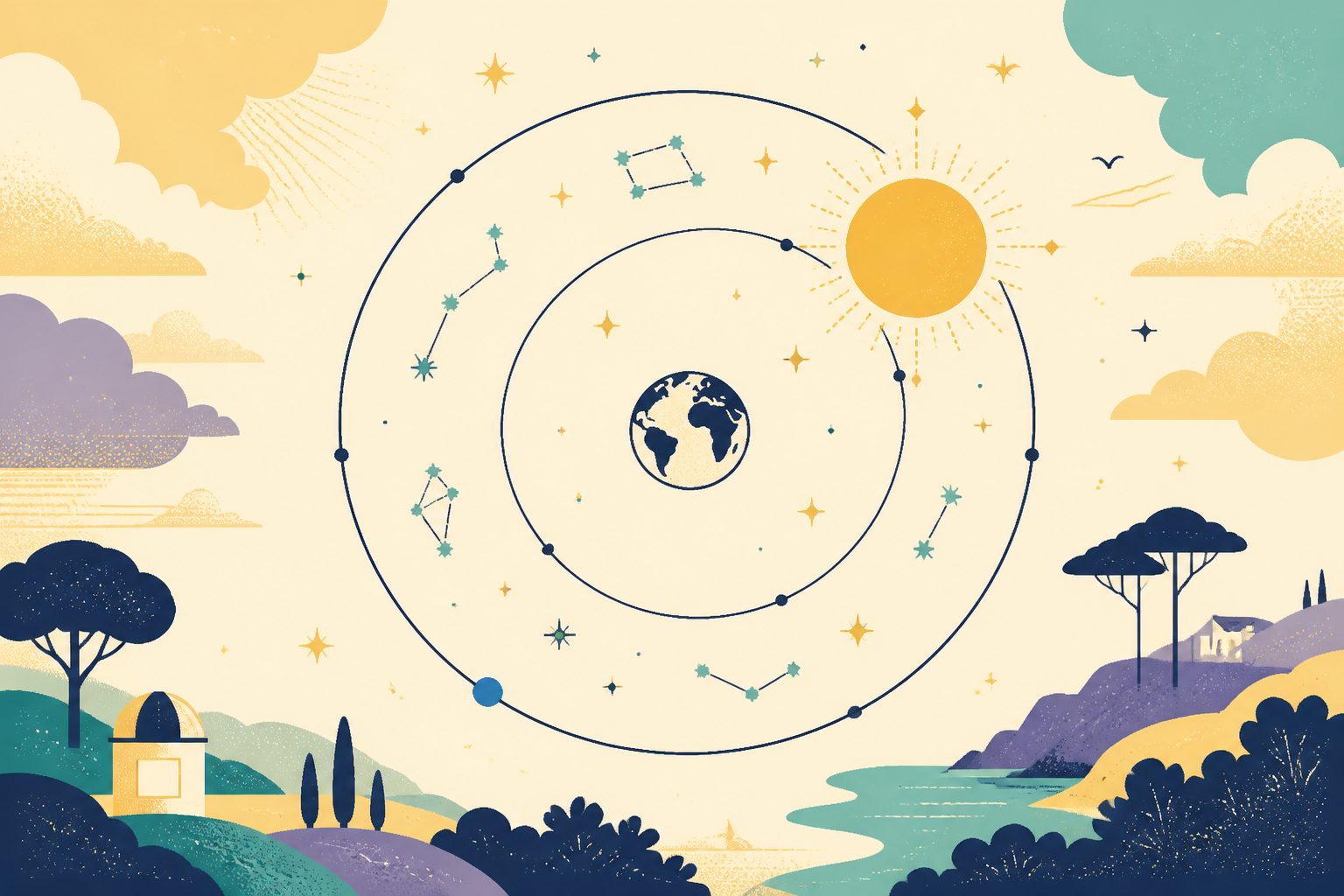
A birthday can sit perfectly still on the calendar while two charts hand it different sign names. That feels personal. Geometry comes first. The surprise comes from expecting every use of the word zodiac to point to the same kind of map. It does not.
Two maps can share a circle without sharing a starting line
The tropical zodiac used in much Western astrology and the sidereal zodiac often used in Indian astrology both divide a 360-degree circle into twelve signs. Their difference is where they put zero. Astrology.com's explanation describes tropical astrology as tied to seasonal turning points, while sidereal systems use a star-based reference point and apply a correction for the drift between those reference frames. Same sky. Different ruler laid across it.
This is why an online result can move a familiar sign backward without changing a single fact about the day a person was born. It has switched systems. The useful response is not to demand that one label defeat the other in a cosmic courtroom. Start by noticing which coordinate system the chart is using before comparing any interpretations.
Earth's slow wobble is the reason the gap exists
The scientific piece is called precession. Earth's rotational axis slowly traces a cone, rather like a spinning top in extraordinarily slow motion. NASA's explanation of precession puts a full cycle at about 26,000 years and explains that the equinox shifts along the ecliptic against the background stars. The physical motion is real. Tropical and sidereal astrology make different bookkeeping choices about it.
Over centuries, that choice becomes large enough to matter to a sign label. Astrology.com says the two zodiacs are now separated by nearly 24 degrees. Because each astrological sign spans 30 degrees, many birthdays will fall under a different Sun-sign name in the two systems. The difference lies in the reference point, not in a fresh discovery that a person's date of birth was filed incorrectly.
Constellations make a third map, and they are even less tidy
Astronomical constellations are not equal slices. The International Astronomical Union says the Sun's apparent path crosses 13 constellations, including Ophiuchus, and that their formal boundaries have different shapes and sizes. So the Sun spends unequal amounts of time in them. Astronomical constellations describe regions of the sky; astrological signs are a separate set of equal divisions. Confusing those two is where the annual 'your sign changed' panic gets its fuel.
That does not make the old names meaningless. NASA's ecliptic guide explains why the zodiac constellations sit along the Sun's apparent route, and Time's history of the zodiac traces how the familiar twelve equal signs took hold. The names preserve a long human effort to turn the sky into a calendar. They are not a promise that every map will line up forever.
A calmer way to compare results
- Label the system before you label yourself: tropical, sidereal, or an astronomical-constellation list.
- Keep a chart internally consistent. Mixing a sidereal sign list with tropical interpretations makes a result harder to understand, not more complete.
- Treat date tables as approximate near a boundary. A full chart calculation uses the actual birth date, time, and place rather than a laminated birthday chart.
- Let Ophiuchus stay interesting without letting it confiscate a favorite mug, necklace, or shorthand identity. Astronomy and horoscope tradition are talking about different things.
The delightful bit is an old name that kept walking
Astronomers still use the phrase 'first point of Aries' for the spring equinox even though precession has shifted that point among the constellations. NASA notes the historical reason: it was in Aries in ancient times, and the name lingered. That lingering label is a small reminder that celestial language has the same fondness for old street names that cities do. The map changes; the signpost keeps a little history.
For the related mystery of why two public forecasts can give one sign opposing advice on the same morning, read why daily horoscopes disagree. If the missing detail is your own time of birth, the companion piece on what that time changes in a chart is the next useful stop.
Sources
Every factual claim above traces to one of these. Links open in a new tab.