Paris Hilton and NOT-KARL Make a Fashion Character Matter

The small figure in the current campaign is not a new designer or a clothing collection. It is a character with an unusually tidy job: giving a large fashion house a little mischief without confusing the clothes for the cast.
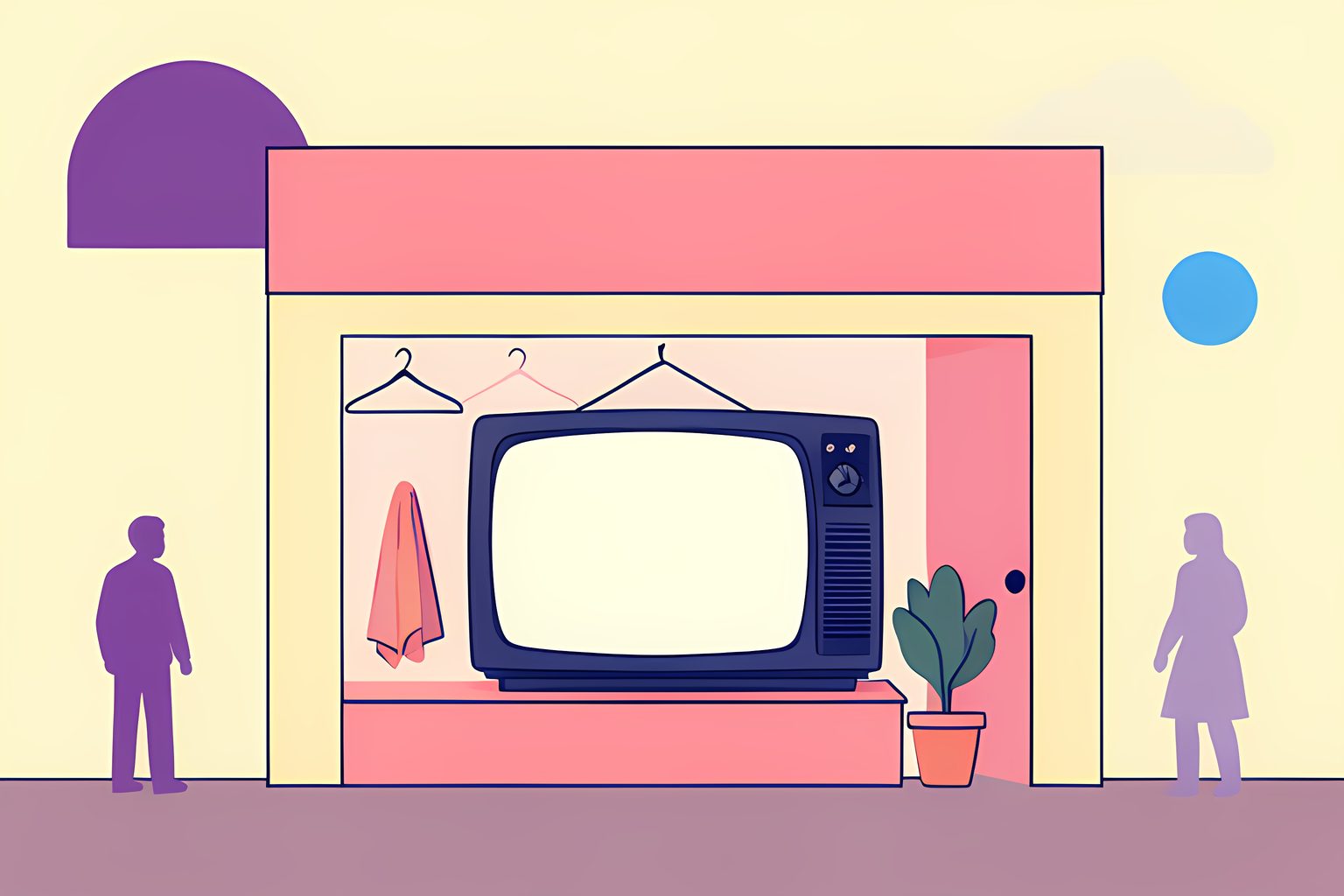
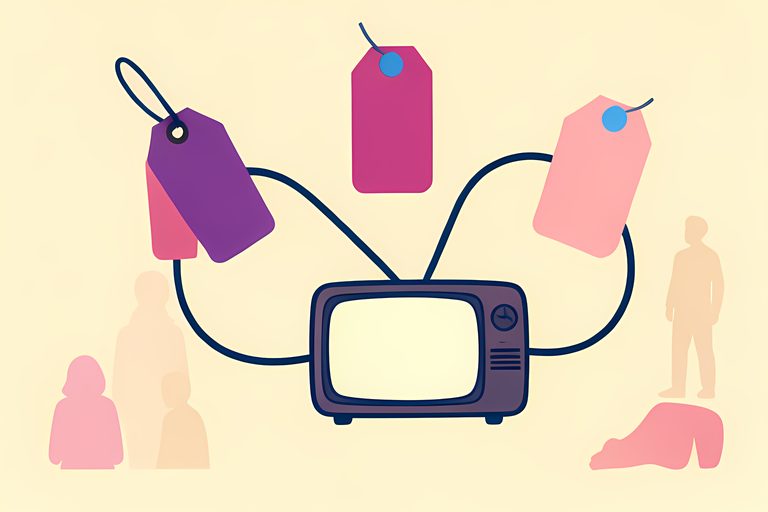
A small figure lives inside a television screen while a human celebrity carries the clothes. I like that the current Karl Lagerfeld campaign does not pretend those are the same job. The separation is the joke, and it is also the useful answer for anyone meeting the name NOT-KARL for the first time.
Paris Hilton appears alongside NOT-KARL in the house's Fall-Winter 2026 campaign material. I checked the store navigation, campaign pages and the company record because the name can sound like a capsule collection, a celebrity collaboration or a person. It is none of those in the narrow sense people usually mean.
The short answer
- NOT-KARL
- A branded campaign character, presented as a new voice in the Karl Lagerfeld universe rather than a replacement for its namesake.
- Paris Hilton's role
- The campaign face, continuing a relationship that the company and fashion press documented across the 2025 and 2026 seasons.
- The clothes
- Karl Lagerfeld and Karl Lagerfeld Paris product ranges, sold through their own collection and store pages.
- Why the distinction helps
- It keeps campaign storytelling, a celebrity appearance and a retail label from being flattened into one fuzzy thing.
NOT-KARL is the campaign's fictional spark
The clearest description came in a September 1 brand email preserved by Milled: NOT-KARL is a character inspired by the house's visual universe, not a reincarnation of anyone. The same email gives the character an onscreen home, saying it lives inside a television screen. That is a wonderfully specific bit of camp. A character with a television-screen address has a better sense of place than many people in fashion advertising.
The official site reinforces the distinction by filing NOT-KARL in its World of Karl area, alongside editorial sections such as The Real Karl, while listing clothes, bags, shoes and accessories under the shopping navigation. I would read that layout as a practical map: NOT-KARL supplies the story and mood; the collections supply the things a reader can actually browse or buy.
The brand is larger than one campaign device
That distinction matters because Karl Lagerfeld is a working fashion business with several layers. G-III says it launched Karl Lagerfeld Paris in North America in 2015 and acquired the remaining interests in the global Karl Lagerfeld fashion brand in 2022. Its 2026 annual report lists both Karl Lagerfeld and Karl Lagerfeld Paris among its owned brands, while describing retail, digital, wholesale and licensed product activity. That is business structure, not campaign cast.
The company and house describe a broad lifestyle offer: apparel, accessories and footwear, plus licensed categories such as fragrance, childrenswear, home and other experiences. G-III's brand profile and the house's own background page both point to the same broad picture. A campaign character can travel between that many categories more nimbly than a single bag or jacket can.
For that reason, the name has been introduced as a character rather than put on a conventional product-line label. A product line needs a rack, a season and a clear place in a store. A character can show up in a short film, an email, a window display or a social post, then disappear before it becomes overfamiliar. The campaign's television is doing quiet structural work: it gives the joke a frame and signals that it belongs to the storytelling layer.
Why Paris Hilton makes the pairing click
Hilton is not introduced here as a co-designer. The public materials call her the face or star of the campaign. G-III announced her Spring-Summer 2026 return on February 12, and Glamour's February report described it as her second consecutive season fronting the global campaign. That is a very particular kind of creative contribution: presence, recognition and a public persona that has always known how to play with the surface.
There is a small human thread beneath the marketing gloss. Hilton told Glamour that the earlier campaign was shot at the brand's Paris office building, and she described returning for the next season as an immediate yes. Grazia later reported a New York campaign event with cafe tables, coffee carts, trays of pain au chocolat and a double-decker bus. The pastries are not proof of anything commercial. They are simply the kind of oddly generous detail that explains why a campaign can linger in the mind.
A quick way to read the next image
- If a name appears beside a person in a campaign, look first for the verb. Face, star and ambassador describe a public role; designed, created and co-founded describe a product role.
- Check where the name sits on the official site. A World of Karl page and a product-category page are doing different work, even when a glossy image puts them side by side.
- Look for a product page before assuming that a character name identifies a line of clothes. A campaign can have an elaborate cast without adding a new label to a hanger.
- Leave the unknowns open. I found no public materials calling NOT-KARL a designer or presenting Hilton as the collection's co-designer, so this is not the place to invent either claim.
The pleasant thing about NOT-KARL is that it does not ask a reader to mistake a mascot for a mystery person. The campaign says what it is, the shop says where the clothes are, and Paris Hilton provides the human counterpoint. We get a clean little fashion fable: one famous name, one playful screen resident and no need to confuse the two at all.
Sources
Every factual claim above traces to one of these. Links open in a new tab.