Beyond The Spider-Man Mask, Andrew Garfield Sees An Open Suit

More than a decade after proposing an LGBTQ Spider-Man, Andrew Garfield is still standing by his conviction: the beauty of the costume is that anyone can see themselves underneath.
Thirteen years after he prompted a wave of studio nervousness by asking why Peter Parker could not be gay, Andrew Garfield is still standing by that idea. I find his persistence remarkable. While promoting his historical drama The Uprising in September 2026, the actor revisited remarks he first made in 2013 during promotional rounds for The Amazing Spider-Man 2. Rather than dismissing his past comments as youthful impetuousness, Garfield reiterated his belief that Spider-Man belongs to everyone.
When we watch modern franchise press tours, actors usually repeat carefully vetted talking points. Garfield has often taken a different path. Back in July 2013, while preparing for Comic-Con, he openly wondered aloud to reporters why Peter Parker could not fall in love with a man. He recalled asking producer Matt Tolmach why Mary Jane could not be reimagined without disrupting the emotional truth of the character. Studio executives reportedly grew nervous, but Garfield viewed the suggestion not as a publicity stunt, but as a sincere question about human connection.
The wisdom of Stan Lee's full-body mask
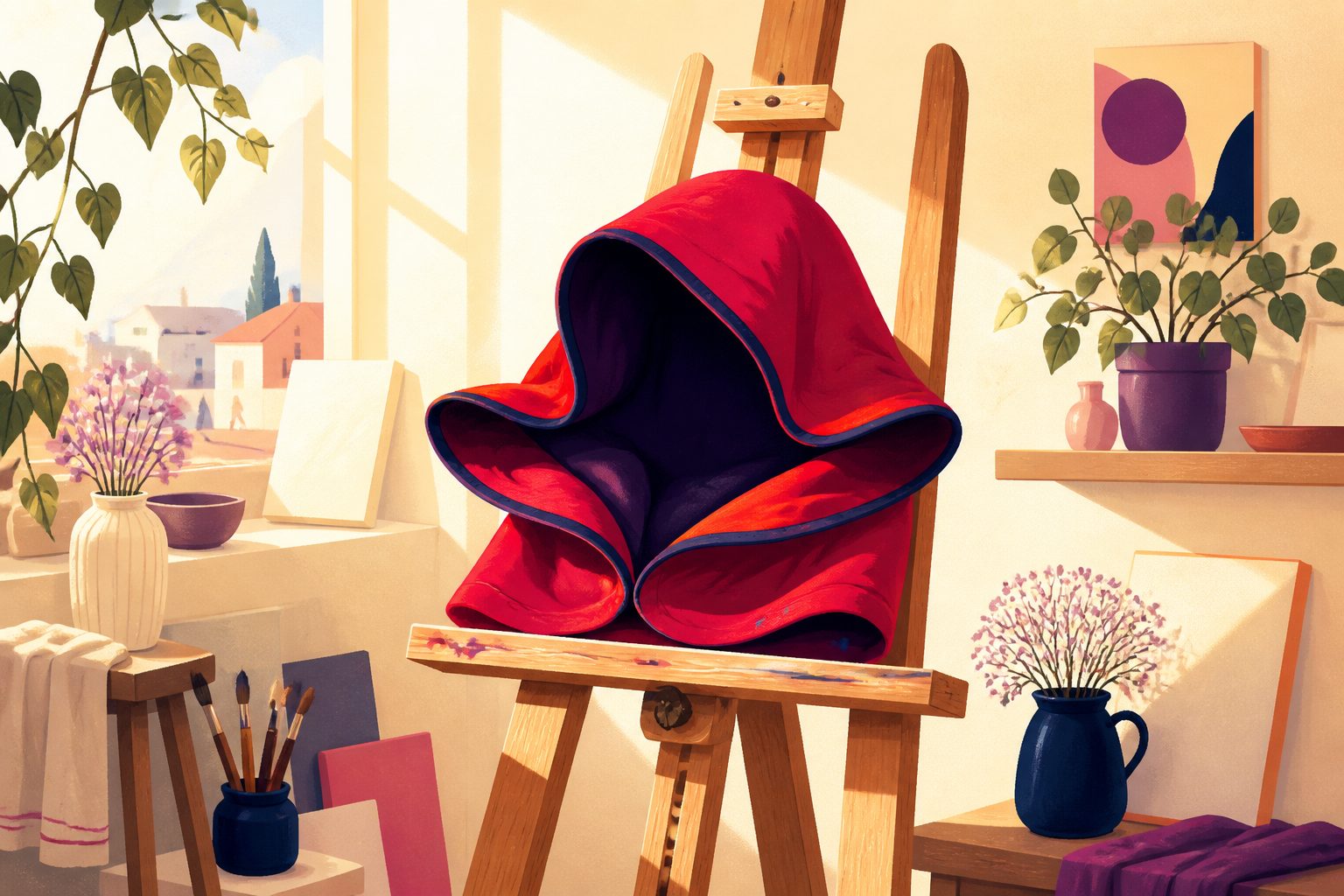
What I find compelling about his perspective is how directly it reflects Stan Lee's original design philosophy. When Lee and artist Steve Ditko created Spider-Man in 1962 for Amazing Fantasy #15, they made a deliberate choice that separated him from Batman, Superman, or Captain America. Spider-Man wore a complete fabric mask that covered every inch of his face, neck, and hands. Not a single trace of skin remained visible.
Lee frequently noted that this choice was entirely intentional. In interviews throughout his life, Lee explained that because the costume revealed neither race nor skin tone, any young reader anywhere in the world could imagine themselves under the fabric. A teenager in Queens, a student in Manchester, or a child in Tokyo could all picture swinging between skyscrapers. Garfield's phrase, 'anyone can be in that suit,' simply carries Lee's visual logic into modern conversations about identity and romance.
A hero defined by vulnerability rather than rigid canon
Peter Parker has never been defined by invulnerability or vast wealth. Unlike Bruce Wayne's inherited fortune or Clark Kent's extraterrestrial lineage, Peter is an insecure orphan from working-class Queens who worries about rent and catches ordinary colds. His heroism comes entirely from choosing responsibility over bitterness in the aftermath of loss.
That emotional foundation makes the character extraordinarily versatile. In the decade since Garfield first raised his critique, the broader superhero medium has gradually embraced that reality. Writer Brian Michael Bendis and artist Sara Pichelli introduced Miles Morales to widespread acclaim. The runaway success of Spider-Man: Into the Spider-Verse demonstrated that audiences welcomed celebrating Gwen Stacy and an array of web-slingers from parallel dimensions. Rather than diminishing the character, broadening the mantle only reinforced its universal appeal.
Marvel Comics pushed that boundary further in 2022 by introducing Web-Weaver, the first openly gay Spider-Man character, created by Steve Foxe and Kris Anka. When a fictional mythos has real emotional depth, it can easily accommodate fresh perspectives without breaking. The strength of the concept lies in its generosity.
The joyful freedom of an open costume
We often treat popular superhero stories as fragile relics that must be guarded against revision. Garfield's affection for the role reminds us that the best stories endure precisely because they remain welcoming. His return in the 2021 film Spider-Man: No Way Home resonated deeply because he played Peter as a man who had discovered grace through hardship, supporting his fellow heroes with genuine camaraderie.
By affirming that anyone can wear the suit, Garfield is not casting aside comic book history. He is honoring its most generous impulse. In a culture that sometimes demands rigid rules around who gets to be a hero, his joyful defense of an open mask remains one of the warmest perspectives in modern popular culture.
Sources
Every factual claim above traces to one of these. Links open in a new tab.
- Andrew Garfield Doubles Down on Call for Gay Spider-Man: 'Anyone Can Be in the Suit'
- Andrew Garfield doubles down on calling for a queer Spider-Man
- The Uprising: The True Story of the Peasants' Revolt That Inspired Andrew Garfield's New Movie
- Andrew Garfield Reveals His Unexpected Side Project
- Andrew Garfield takes on Sam Altman in creepy first teaser for Artificial
- Sam Altman Movie Artificial to Premiere at New York Film Festival