After Twin Bills Faded Split Doubleheaders Took Over MLB

Once a beloved holiday tradition offering two games for a single ticket, baseball's doubleheaders evolved into separate-admission events driven by TV windows and roster math.
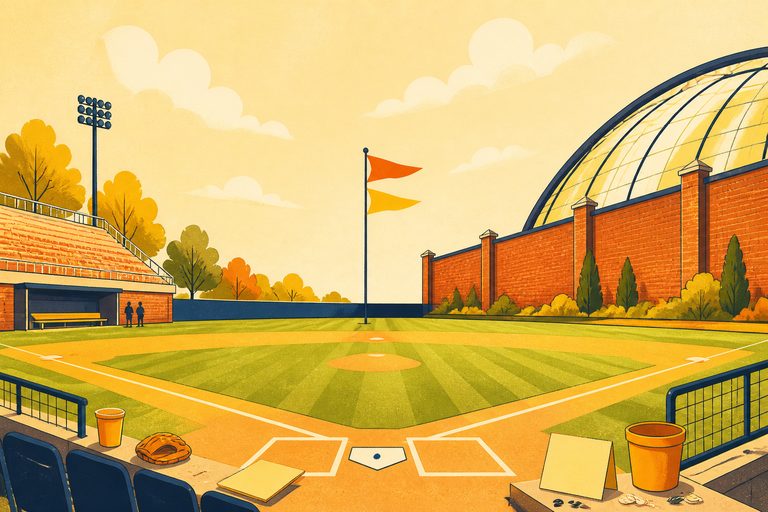
Baseball folklore holds few phrases more beloved than Hall of Famer Ernie Banks chirping, "It's a beautiful day for baseball. Let's play two!" For most of the twentieth century, that cheerful sentiment was not mere poetry. It was a regular Sunday reality. Fans bought one general admission ticket, packed a lunch, and spent seven glorious hours watching eighteen innings of baseball. Today, however, that classic "twin bill" has nearly vanished, replaced almost entirely by day-night split doubleheaders.
At Joyful Take, we find the business and operational evolution behind sports traditions fascinating. When I checked historical scheduling logs, I discovered that Major League teams played hundreds of single-admission doubleheaders every summer through the 1970s. Understanding why that format shifted reveals how stadium economics, television broadcasting, and player labor agreements permanently reshaped the sport.
The Golden Age of Single-Admission Twin Bills
From the 1890s through the 1960s, doubleheaders were a cornerstone of baseball's calendar. Teams regularly scheduled them on Memorial Day, Independence Day, and Labor Day to draw massive holiday crowds. In an era before pervasive television coverage and modern player contracts, gate receipts were a franchise's main revenue stream. Offering two games for the price of one was the ultimate promotional incentive.
The format fostered an electric festival atmosphere across major league ballparks. Between games, fans stretched their legs, visited concession stands, or watched groundskeepers hand-drag the infield clay during a thirty-minute intermission. Famous milestones filled those long afternoons, such as Stan Musial smashing five home runs in a single day in 1954 and Nate Colbert matching the feat in 1972. For working-class families, a holiday twin bill was the most generous entertainment bargain in American culture.
Why Economics and Broadcasts Mandated the Split
By the late 1980s and 1990s, three converging economic forces doomed the traditional single-admission format. First, ballpark operational costs rose dramatically. Club executives realized that clearing the grandstands between games allowed them to sell two separate ticket gates, double their concession revenue, and collect parking fees twice in one calendar day.
Second, regional sports networks and national television contracts required predictable broadcast windows. A single afternoon game followed immediately by a second game created scheduling chaos for television networks with fixed evening programming. A day-night split, featuring a 1:05 PM afternoon start and a 7:05 PM evening first pitch, provided distinct advertising slots for both broadcasts.
Doubleheader Evolution Summary
- Traditional Twin Bill
- One ticket for two consecutive games with a 30-minute intermission
- Modern Split Doubleheader
- Two separate tickets, stadium cleared between afternoon and evening games
- The 27th-Man Rule
- Teams may add one extra active roster player for doubleheader days
- Full Nine-Inning Restoration
- MLB returned to standard nine-inning doubleheader games in 2022
Modern Roster Rules and the 27th Man
Playing eighteen innings in twelve hours places immense strain on pitching staffs. To protect player health and prevent bullpen exhaustion, Major League Baseball and the MLB Players Association instituted the "27th man" rule. For scheduled or rescheduled doubleheader dates from Opening Day through August 31, clubs can add an extra player from their 40-man roster for that single day.
That rule creates wonderful human stories. Often, a minor league pitching prospect receives an unexpected morning phone call, boards a commercial flight, and makes his big-league debut under stadium lights before heading back to Triple-A the next morning. It gives young players an unforgettable taste of the majors and earns them a day of MLB service time.
While purists may miss the marathon afternoon romance of classic twin bills, modern split doubleheaders remain an exciting test of organizational depth. When rain creates a sudden day-night doubleheader in Baltimore or Toronto, fans still get to enjoy twelve hours of divisional drama. In our view, that abundance of baseball remains something worth celebrating.
Sources
Every factual claim above traces to one of these. Links open in a new tab.