250 Starbucks Closures Mark a Shift Back to Coffeehouse Roots

Starbucks is trimming roughly one percent of its North American store footprint to eliminate bottlenecked layouts and refocus on comfortable cafe seating.
When I looked through the corporate announcement issued by Starbucks Chief Operating Officer Mike Grams on September 24, 2026, the headline figure of 250 planned store closures initially sounded like a retreat. Headlined across financial wires as a sign of retail contraction, a round of hundreds of closures usually suggests an empire pulling back its borders. But my first impression shifted once I checked the underlying store math and examined how these specific closures fit into the broader turnaround strategy led by Chief Executive Officer Brian Niccol.
The reality is far more interesting than a simple downsizing story. Starbucks is not shrinking away from neighborhood streets. Instead, the company is pruning a small slice of awkward, underperforming retail formats that were built for an era of pure digital volume and cannot be remodeled into welcoming places to sit. By retiring locations that generate friction rather than community, the company is clearing space for a massive reinvestment in cafe comfort, ceramic dishware, and four-minute drink handoffs.
Putting the Closures in Numerical Perspective
To understand why this decision happened now, we need to look closely at the scale of the North American store fleet. Starbucks operates more than 18,000 coffeehouses across the United States and Canada. Trimming approximately 250 locations represents just over one percent of that regional footprint. It is a targeted adjustment rather than a wholesale retreat.
Starbucks North American Store Portfolio Facts
- Total North American Stores
- Over 18,000 locations
- Planned Store Closures
- Approximately 250 cafes (roughly 1%)
- Estimated Restructuring Cost
- $300 million pre-tax charges
- Store Renovation Target
- 1,500 locations updated by end of fiscal 2026
- Drink Fulfillment Target
- Four minutes or less per order
In his memo to employees, Mike Grams explained that the targeted stores fell into two specific problem categories. First, some locations were consistently failing to deliver acceptable financial results due to shifting pedestrian traffic patterns. Second, and perhaps more tellingly, certain store configurations simply could not provide the physical customer and employee experience that the brand now demands.
The company expects to record approximately $300 million in restructuring charges to exit leases and wind down these locations through the end of fiscal 2026. For affected employees, whom Starbucks calls partners, the company has committed to offering transfer opportunities to nearby locations wherever possible, alongside severance packages when open positions are unavailable.
The Bottleneck Problem of the Mobile Order Era
Why would a busy coffee shop fail to provide a good experience? The answer lies in the dramatic shifts in customer ordering habits over the past decade. During the rapid expansion of mobile ordering and third-party delivery apps, many retail locations were squeezed into narrow storefronts with tiny lobbies. When morning commuters ordered complicated drinks on their phones, pickup counters became mobbed with waiting customers and delivery couriers.
Walk-in customers looking for a simple cup of coffee found themselves standing in crowded, noisy entryways where baristas were overwhelmed by tickets spitting out of automated printers. In many locations, comfortable armchairs and wooden tables were removed to make room for pickup shelves and standing queues. The beloved third place - the idea of a welcoming public space between work and home - had quietly devolved into a stressful airport terminal gate.
Some of the 250 closing stores have structural floor plans that cannot be fixed. If a store has no room for a separate pickup area, no plumbing capacity for commercial dishwashers, and no footprint for comfortable seating, continuing to operate it damages customer goodwill every single morning.
What the Back to Starbucks Plan Actually Builds
When Brian Niccol arrived as chief executive in September 2024 after previously leading Chipotle, he launched an operational blueprint called Back to Starbucks. The goal was clear: re-establish the company as a craft-first, welcoming coffeehouse while fixing chronic service bottlenecks.
Rather than opening hundreds of generic new units, Starbucks has revised its net opening projections downward to around 440 global cafes for the fiscal year, redirecting capital into uplifting 1,500 existing locations. These store remodels are designed with distinct functional zones. App orders are routed to dedicated pickup stations near the entrance, allowing grab-and-go commuters to grab their drinks without crowding the counter. Meanwhile, the main cafe area is restored with warm wooden finishes, soft lighting, and plush seating for people who want to stay.
Small Touches That Bring Warmth Back to the Counter
What I find most refreshing about this turnaround is that it recognizes the profound power of small, human details. For years, corporate coffee chains chased pure algorithmic speed at the expense of charm. Niccol's team is deliberately reversing several sterile operational decisions.
- Ceramic mugs return for dine-in guests: Customers who order for here receive their espresso or latte in a real ceramic mug or glassware rather than a disposable paper cup.
- Self-serve condiment bars come back: Customers can once again pour their own milk, half-and-half, and oat milk, or dust cinnamon and nutmeg onto their foam without waiting for a barista.
- Sharpie handwriting replaces cold barcode stickers: Store teams were supplied with 200,000 black Sharpie markers to write names and personal greetings directly on cups.
- A firm four-minute handoff standard: The company is restructuring bar workflows and staffing to ensure handcrafted orders are finished in four minutes or less.
These changes work together. When customers can add their own splash of milk at a condiment bar, baristas save fifteen to twenty seconds on every simple coffee order. That saved time allows the barista to look up, smile, make eye contact, and pull high-quality espresso shots with care. Speed and warmth do not have to fight each other when the underlying workflow is designed with common sense.
How Neighborhood Cafes Reclaim Their Community Role
As we look at how retail coffee has evolved over the past thirty years, convenience without hospitality eventually turns coffee into a sterile utility. You can buy caffeine anywhere, from a gas station tap to a canned beverage vending machine. What drew millions of people to specialty coffee in the first place was the feeling of taking a pleasant pause during a busy day.
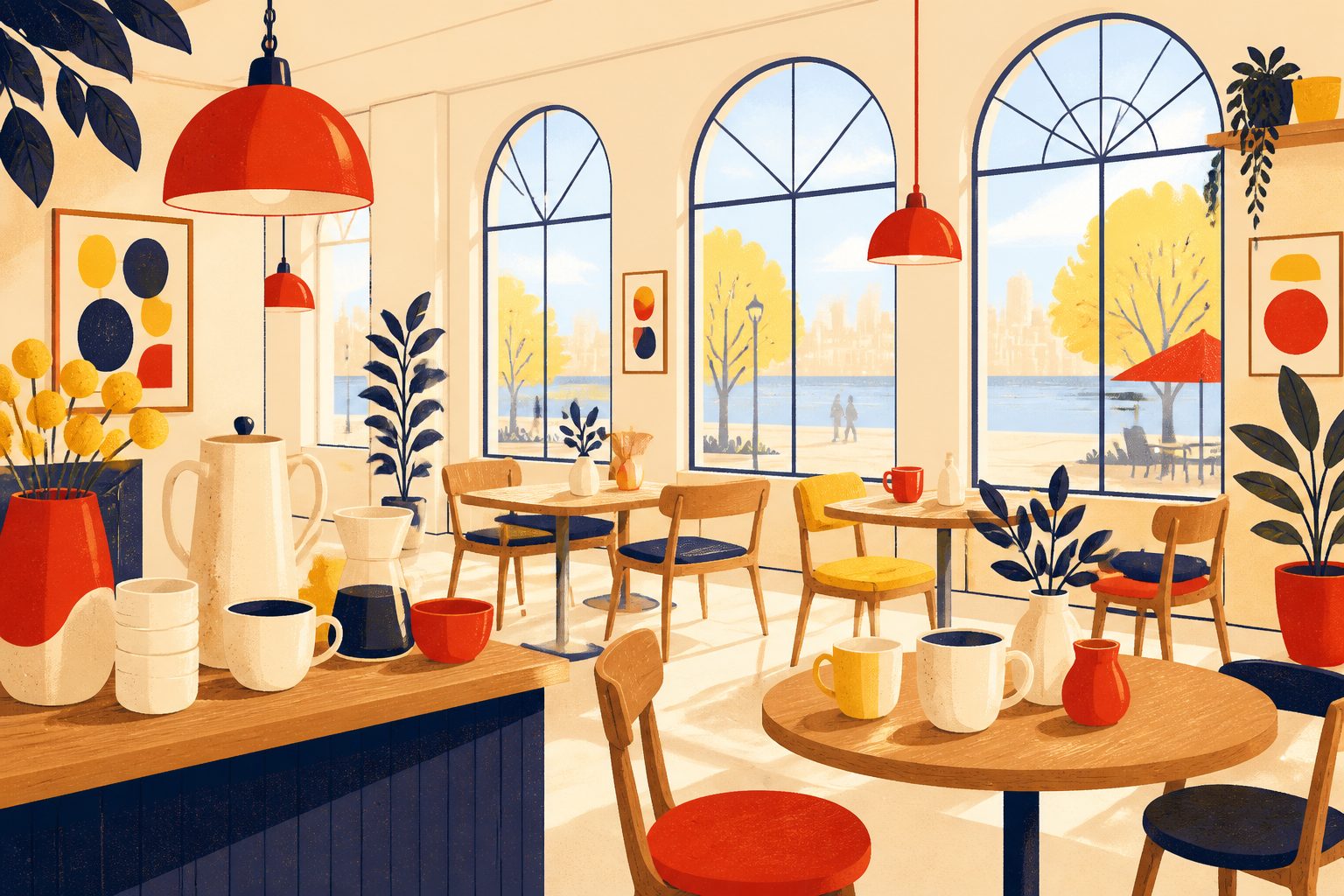
Closing 250 mismatched locations is not a retreat from the public square. It is a necessary clearing of the decks so the remaining 18,000 coffeehouses can fulfill the promise of a true neighborhood gathering place. In a world full of automated screens and solitary routines, sitting at a sunlit wooden table with a warm ceramic mug in hand remains one of the simplest daily joys we have.
Sources
Every factual claim above traces to one of these. Links open in a new tab.
- Starbucks to Close Roughly 250 Underperforming Stores in North America
- Starbucks to close 250 stores across North America in turnaround push
- Starbucks plans to shutter 250 locations as part of 'Back to Starbucks' effort
- Starbucks is closing 250 underperforming stores across North America
- Starbucks to close 250 stores in North American restructuring
- Starbucks refocuses on cafe hospitality with 1,500 store renovations
- How Brian Niccol is reshaping Starbucks around coffeehouse comfort
- Starbucks dials back equipment automation in favor of barista staffing