Inside Starbucks Cafes Baristas Pick Up Sharpies Over Digital Stickers
Handwritten cup names and personal barista notes replace sterile automated order stickers as cafes re-emphasize human warmth.
Inside a bustling neighborhood cafe, I find that the acoustic atmosphere tells you everything about who the room was built to serve. For nearly a decade, the dominant morning soundtrack at Starbucks counters was the rhythmic clicking and whirring of thermal sticker printers spitting out adhesive receipts. Baristas stood with their eyes glued to printed barcodes, peeling and slapping labels onto paper cups without ever looking up.
Now, that mechanical whir is being replaced by the squeak of permanent marker on cardboard. As part of CEO Brian Niccol's Back to Starbucks turnaround, the company distributed 200,000 black Sharpie pens to cafes across North America, directing store partners to handwrite customer names and friendly messages once again on walk-in orders.
When Automated Stickers Replaced Eye Contact
The transition to printed sticker labels originally began in the mid-2010s to manage the explosive growth of mobile orders and complex drink modifications. In the chain's early decades, baristas used permanent markers to fill in the classic vertical checkbox grid printed on the side of every paper cup: Decaf, Shots, Syrup, Milk, Custom, and Drink. It was a shared visual shorthand that every barista learned during training.
When customers began ordering drinks with five syrup pumps, three dairy substitutions, and extra layers of cold foam, printing a computerized label seemed like a foolproof way to prevent barista errors. It was an engineer's solution to an operational surge. But solving the label problem created a much larger cultural deficit.
In automating the cup marking process, Starbucks accidentally severed the personal eye contact between the barista and the customer at the register. Instead of asking how someone's morning was going and penning their name, the interaction became a silent, robotic handoff. The cafe felt less like a beloved neighborhood haunt and more like an automated fulfillment warehouse.
When baristas spend their entire shift staring at small white adhesive squares, the work becomes transactional and draining. The human rhythm of greeting neighbors and remembering regular orders was replaced by a continuous race against an unfeeling printer queue.
The 200,000 Sharpie Rollout
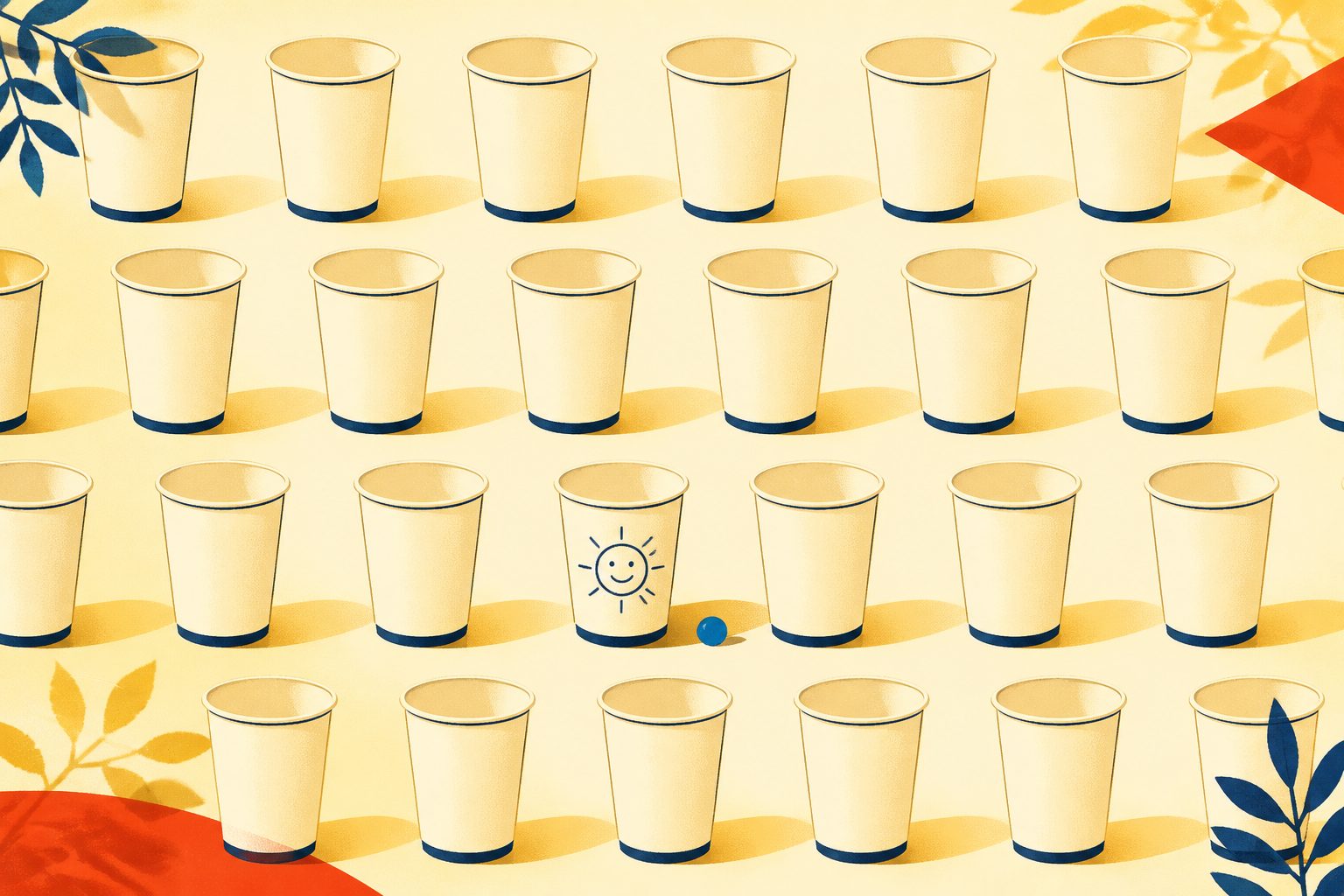
When I examined the details of the company's 200,000-marker rollout, what stood out was how deliberately it re-anchors human connection into the daily routine. Baristas taking orders at the register are explicitly trained to ask for the customer's name, write it clearly on the cup, and add small personalized touches like a quick smiley face or a brief warm greeting.
Digital sticker printers have not vanished entirely; they remain on dedicated mobile pickup bars where couriers and app users need barcode tracking to grab the right drink without confusion. But for customers who walk into the cafe, order at the counter, and wait in person, the experience returns to a human craft transaction.
This split strategy balances digital efficiency with front-of-house charm. Mobile app orders get machine-readable precision on pickup shelves, while cafe visitors enjoy the warmth of a personalized cup handed across the counter with a smile.
Why a Scribbled Name Transforms the Morning
It is easy for business skeptics to dismiss handwritten cup names as nostalgic window dressing. But we can see how a simple pen stroke completely reframes the social contract of a coffee shop. Longtime customers fondly remember the quirky, charming folklore of misspelled cup names that fueled viral internet jokes and created funny morning memories.
Even more meaningfully, receiving a cup with your name handwritten in ink signals that a real human being stood behind the espresso machine, crafted your beverage, and cared enough to hand it to you personally. What I value most about this return to Sharpies is that it proves modern convenience does not require stripping away everyday warmth. A friendly handwritten note on a warm paper cup can turn a stressful morning commute into a cheerful start to the day.
Sources
Every factual claim above traces to one of these. Links open in a new tab.
- The Return of the Sharpie: Why Personal Touch Matters on Every Cup
- Starbucks hands out 200,000 Sharpies to bring back handwritten cup names
- How handwritten cup names became a battleground for coffeehouse culture
- Starbucks swaps thermal barcode stickers for handwritten names in cafes
- The psychological impact of handwritten names on morning coffee cups
- Why baristas are welcoming the return of marker pens over printer jams