Laver Cup Team Benches Turn Fierce Rivals Into Courtside Coaches

On the regular tour, tennis is solitary combat, but the Laver Cup puts captains and top-ten rivals on the same bench to call tactical plays.
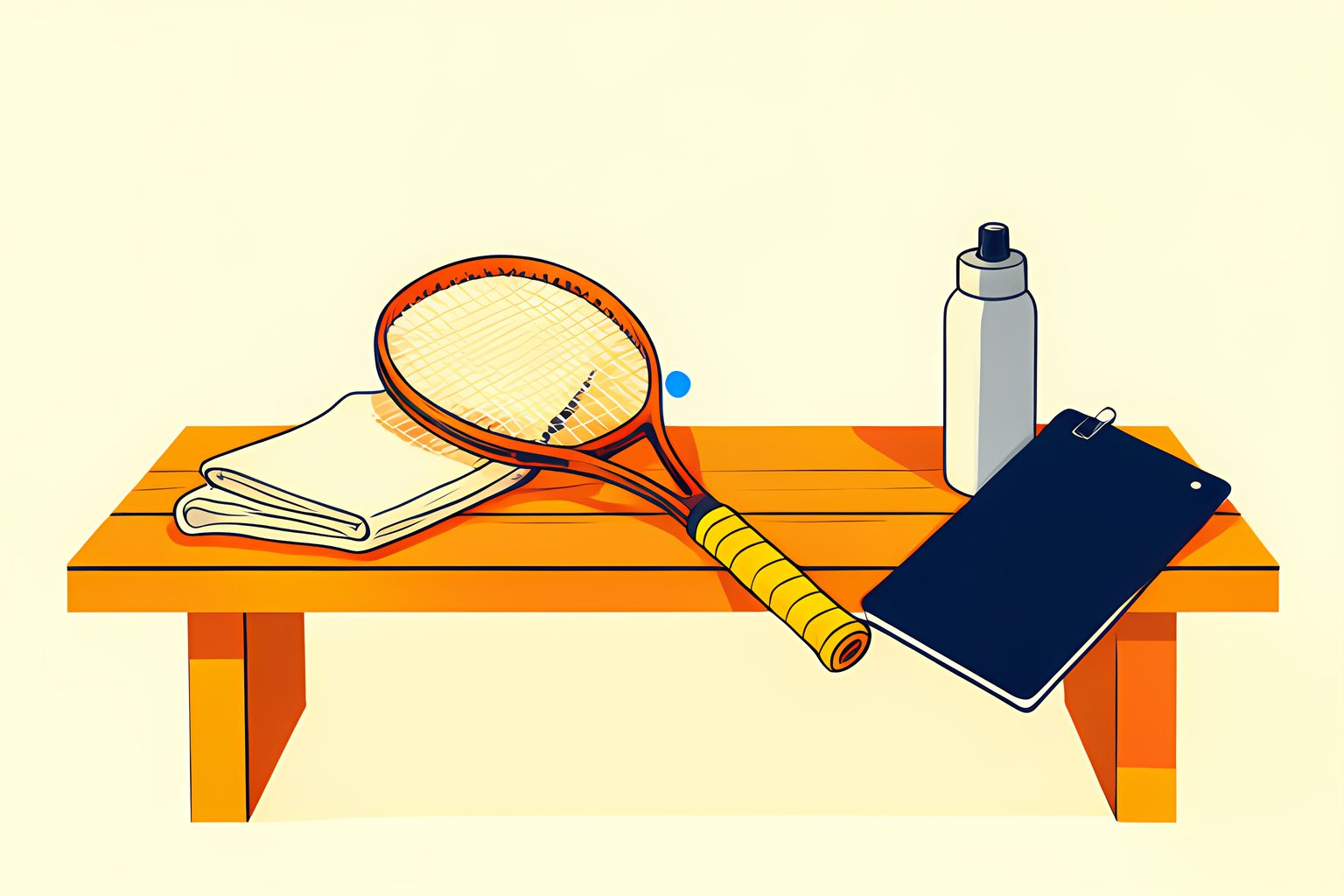
When I watch a standard Grand Slam semifinal, the visual language is all about isolation. A lone competitor stands 90 feet from their opponent, glancing anxiously toward a player box where coaches are restricted to subtle hand signals or brief shouted encouragement. The Laver Cup completely dismantles that barrier. Here, the entire six-man roster sits alongside their legendary captain and vice-captain on an open courtside bench. During changeovers, active players huddle together over digital tablets, dissecting serve patterns and whispering tactical adjustments.
We at Joyful Take find this courtside camaraderie to be the most delightful element of the entire tournament weekend. Throughout the year, these athletes battle fiercely for ranking points, prize purses, and Grand Slam trophies. At the Laver Cup, those same fierce rivals become trusted tactical advisors. Seeing bitter competitors pull on matching team jackets and scream for each other's forehands is a rare, joyful spectacle.
Courtside Bench and Coaching Mechanics
- Bench Composition
- 6 active players, 1 Team Captain, and 1 Vice-Captain seated courtside
- Coaching Authorization
- Captains and all bench teammates may provide verbal tactical coaching
- Permitted Timing
- During all 90-second changeovers and two-minute set breaks
- Audio Transparency
- Open bench microphones and broadcast feeds capture live tactical dialogue
- Legendary Captains
- Captained by tennis icons such as Yannick Noah, Andre Agassi, Bjorn Borg, and John McEnroe
From Solitary Tour Combat to Active Dugout Strategy
On the standard ATP Tour, tennis remains an intensely lonely endeavor. Even with recent rule modernizations allowing limited off-court coaching, players must figure out tactical crises primarily on their own. At the Laver Cup, coaching is not merely allowed; it is actively celebrated as the engine of the event. When a competitor walks to the sideline after a grueling service game, they do not sit alone towel in hand. They are greeted by five top-twenty peers offering concrete tactical feedback.
The benches are equipped with live statistical feeds and video playback tablets. A teammate who played the same opponent two weeks prior can point out specific return patterns, such as a tendency to slide wide on second-serve break points. That immediate, peer-level insight is something no conventional tour tournament can replicate. It turns individual intuition into shared collective intelligence.
Vice-captains and bench players also manage match warm-ups and substitution readiness. When a doubles match approaches, the designated pair leaves the dugout to warm up together under the arena tunnels, while their teammates remain courtside to cheer the ongoing singles rubber. That continuous coordination builds an authentic clubhouse spirit that players rarely experience outside Davis Cup ties.
Iconic Moments of Rival Mentorship
The tournament's history is filled with remarkable moments where tennis royalty crossed competitive lines. In early editions, fans witnessed Roger Federer and Rafael Nadal giving passionate, animated tactical pep talks to Alexander Zverev during critical match tiebreaks. Federer analyzed court positioning and body language while Nadal emphasized topspin depth and aggressive footwork. In later editions, we saw Carlos Alcaraz conferring closely with seasoned European veterans on baseline shot selection.
Because broadcast networks place high-fidelity microphones near the team benches, viewers hear these tactical exchanges unfold in real time. There is no artificial staging. You hear authentic tennis genius distilled into five-second instructions: 'Step into the backhand return,' or 'Make him hit three balls above his shoulder.' The advice is crisp, practical, and immediate.
The Joy of Mutual Respect Under One Banner
As I reflect on why this dynamic captivates sports fans worldwide, it boils down to shared human warmth. Tennis fans spend entire careers arguing about which player is superior. Seeing those same generational icons celebrate together on the sidelines, leap out of their seats on match points, and pour water for their rivals proves that elite competition does not require hostility. It reminds us that mutual respect is the true heart of sport.
When top-ten players share high-fives and celebrate a match tiebreak win like schoolkids winning a regional cup, the entire sport feels revitalized. The bench serves as the vibrant emotional core of the Laver Cup, transforming individual gladiators into a unified squad.
Sources
Every factual claim above traces to one of these. Links open in a new tab.