Why Power Flickers Before an Outage

That blink is often a protective switch testing whether a branch, animal, or electrical arc has cleared. Sometimes the grid fixes itself; sometimes it decides to stay off.
The microwave clock goes blank for two seconds, comes back, and forgets everything. Outside, a switch on a pole may have just asked the power line a question.
The question is simple: was that electrical fault temporary? If a wet branch brushed a conductor and bounced away, power can safely return. If a line is still on the ground, it should not. The blink is often the pause between the test and the answer.
A reset button built for high voltage
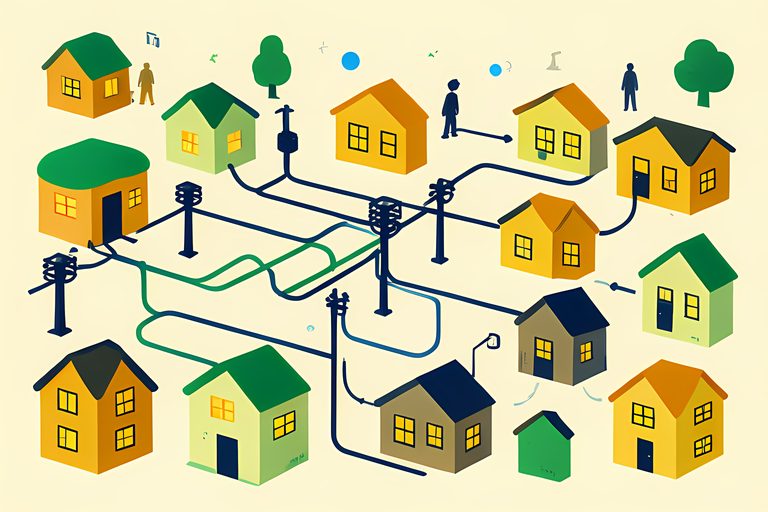
The device behind many full off-and-on blinks is a recloser. A Department of Energy report describes it as a circuit breaker that senses a fault, opens the circuit, and then closes again to see whether the trouble has cleared. Reclosers sit at substations and along distribution feeders, guarding sections of the local grid.
Opening removes current from the fault. Closing tests the line. If normal conditions return, the switch stays closed and the lights remain on. If the fault is still present, the device opens again. After its programmed sequence is exhausted, it locks open and waits for crews to isolate or repair the problem. That last state is the sustained outage.
Why the lights may blink more than once
There is no universal household-visible blink count. Settings depend on the utility, equipment, circuit, and protection plan. York Electric Cooperative explains that its recloser process may trip three times before stopping power for a persistent short. Equipment maker Eaton describes permanent-fault lockout after a preset number of operations, usually three or four. The honest answer is not always three. It is a small, configured series.
Temporary faults are common enough to make the retry worthwhile. A gust can push conductors together and then let them separate. Lightning can flash over an insulator. A branch or animal can make brief contact. If the cause clears while the circuit is open, a long outage and a truck trip may be avoided. That is a very productive blink.
Sometimes the grid found a side road
A recloser is not the only explanation. Automated switches can isolate a damaged segment and reroute electricity from another path. Chattanooga utility EPB tells customers that a storm blink can be its smart grid delivering power from a separate source. In that case, the momentary interruption is the seam between one route and the next.
This is the delightful detail hiding in the nuisance. A clock that needs resetting can be the tiny receipt for a fault cleared automatically or a circuit that found a healthier way around it. No bucket truck had to arrive first. The system noticed, moved, and recovered in seconds.
Blinking, dimming, and surging are different clues
| What the light does | What the words mean |
|---|---|
| Turns fully off, then returns | A momentary interruption, often linked to protection or switching |
| Dims or brightens without going fully off | A voltage fluctuation or sag, which can come from utility faults or equipment and wiring closer to home |
| Returns briefly, then goes dark | A protective device may have tested the line, found the fault still present, and opened again |
| Shows no visible change, but electronics act oddly | A brief power-quality disturbance may be too fast or subtle for an ordinary lamp to display clearly |
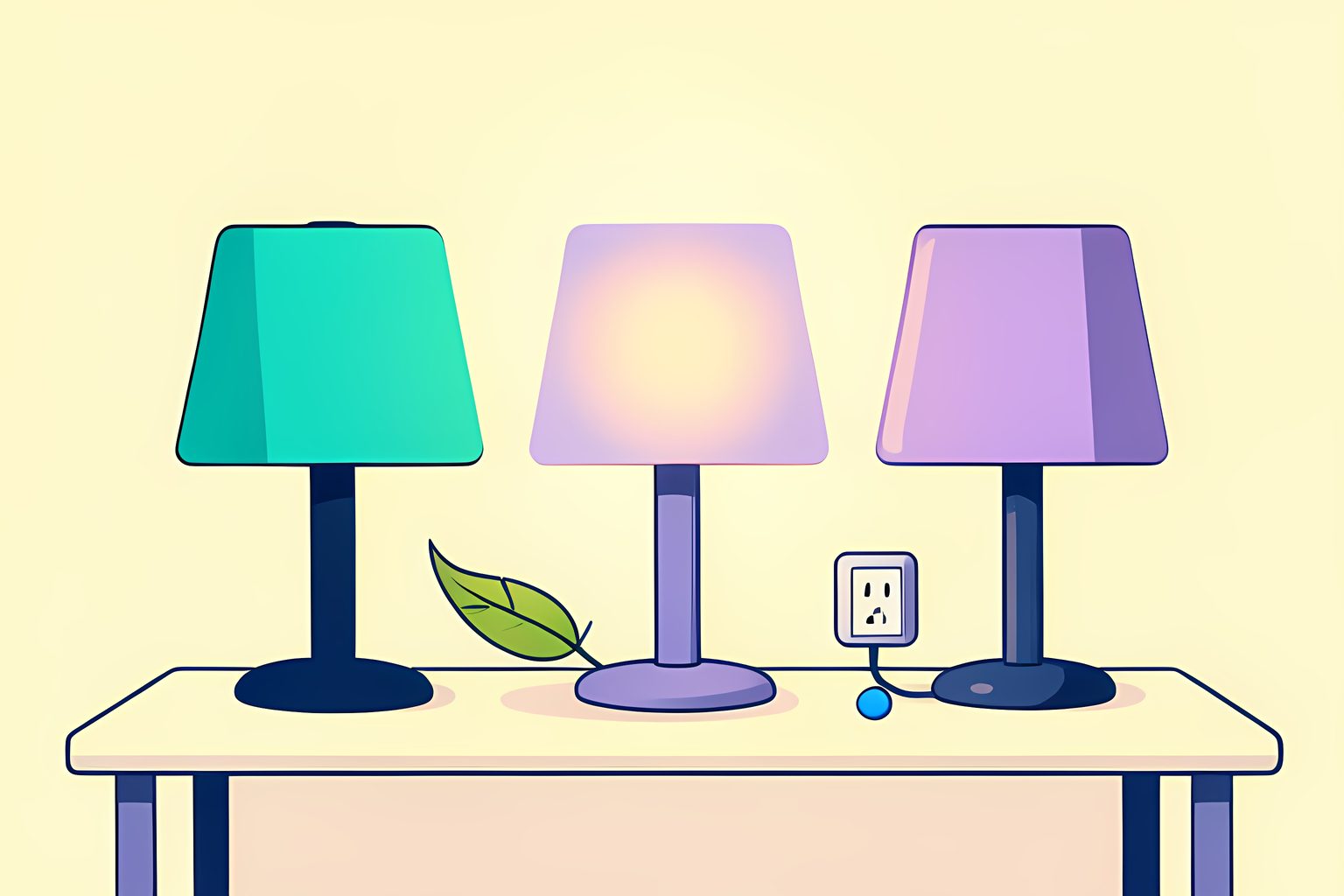
The Los Angeles Department of Water and Power separates short interruptions from voltage sags, swells, and transients. That vocabulary matters because a surge and a visible blink are not synonyms. A NIST home-appliance guide says a sag is unlikely to permanently damage most appliances, though it can crash a computer or confuse a digital clock, while a surge is a much faster voltage spike with a different risk and remedy.
When the blink becomes a report
- One brief, isolated blink may simply be automatic protection doing its job. Check the utility's outage channel if the weather is active or other homes were affected.
- Frequent or longer flickering deserves a report. LG&E and KU asks customers to contact the utility when the pattern happens often or lasts longer than the usual brief event.
- If lights stay dim or bright, if only part of the home has power, or if the pattern follows one appliance switching on, note those details. FPL distinguishes a full flicker from voltage fluctuation and directs unresolved problems to the utility or a licensed electrician.
- Never go outside to inspect a recloser, transformer, damaged service line, or fallen wire. The useful evidence is the timing and pattern you can observe safely.
The forgotten microwave time is annoying. It is also wonderfully specific evidence that the interruption was short enough for the grid to try again. Set the clock, make the report if the pattern repeats, and give that tiny blank display its due: sometimes it marks a repair that happened before anyone put on gloves.
Sources
Every factual claim above traces to one of these. Links open in a new tab.