How to Tell Whether a Farm Shop Is Truly Local

Farm shops are a lovely way to meet a region through food, but the useful question is not whether a shelf looks rustic. It is what local means on that shelf.
Part of the Culture and daily life collection.
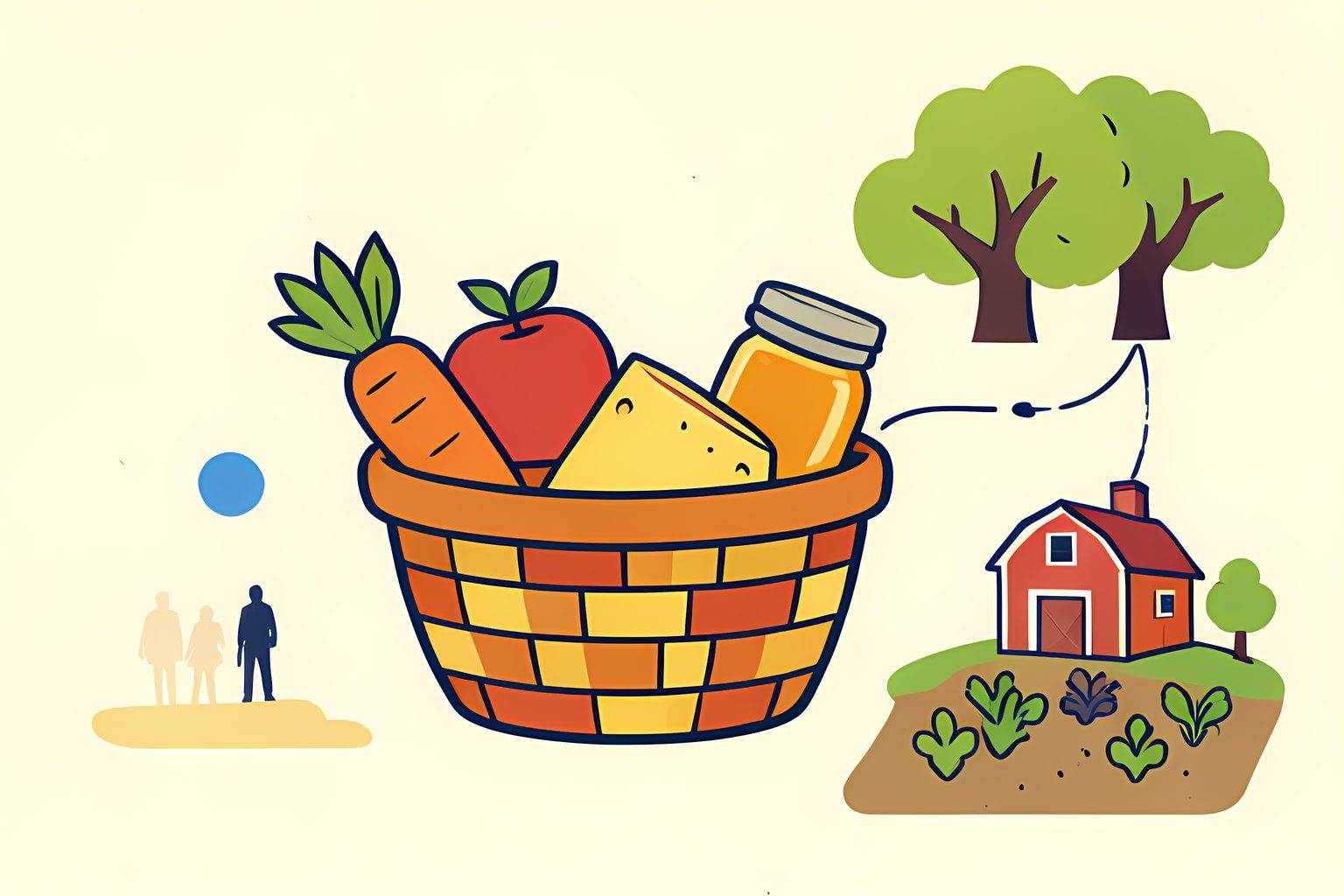
A chalkboard, a crate of apples, a jar of pickle with a handmade-looking label: the farm-shop mood is powerful. That scene says nothing about a supply chain. A lovely-looking shelf cannot, on its own, tell you whether the carrots were grown outside, ten miles away, or bought through a distributor.
That is not a reason to be suspicious or spoil a weekend outing. Instead, treat it as an invitation to ask a better question. The best farm shops tend to have good answers ready, because provenance is part of the pleasure. Knowing an apple came from a nearby orchard is more interesting than knowing only that it was placed beside a very photogenic straw bale.
The name tells you less than you think
The Valuation Office Agency's guidance is refreshingly clear that farm shops range from tiny operations to larger retailers, including some that are not tied to a particular farm or group of farms. So farm shop is not a universal promise that everything came from the land beside the car park. The category needs a little more detail.
| Useful wording | What it usually asks you to check | A friendly follow-up |
|---|---|---|
| Grown or reared on this farm | A direct connection to the holding itself. | Ask which field, herd, or product line it came from. |
| Made by a local producer | A nearby business made it, even if this farm did not. | Ask for the producer's name and location. |
| Regional or selected goods | The range may be broader than one local area. | Ask the shop to separate farm-grown, local, and brought-in items. |
What credible farm-retail standards focus on
The government guidance describes a Farm Retail Association idea of a genuine farm shop as one selling fresh or local food normally grown, picked, reared, or produced on a farm or nearby land. It also describes a voluntary certification benchmark in which at least 40% of stock comes from the farm and local area, and another 40% from the region. Treat that as a useful example of what provenance-minded retail looks like, not as a rule every British farm shop must follow.
The current Farm Shop & Deli Retailer Awards categories make a similar distinction. A local farm shop is described as being in or near a farm and selling fresh products from that farm or specialist local producers. A destination farm shop can add restaurants, play areas, or other activities. Both can be wonderful; neither label saves a shopper from asking where a particular item came from.
Five questions that make the answer clearer
- Ask which items were grown, reared, or made on this farm. Examples beat a vague reassurance.
- Ask which products come from named local producers. A good shop can usually point to them with some pride.
- Clarify whether local means a village, a county, a region, or simply the United Kingdom.
- Ask what changes with the season. Seasonal gaps are often a more honest sign of place than a perfect year-round display.
- Look for an explanation of the difference between farm-grown, local, and brought-in stock.
Diddly Squat's own shop page gives a useful model of clarity at the broad level: it says its products are sourced from the farm and other trusted local businesses. That tells a shopper to expect a mix, not to assume that every item began at the same gate. The Farm Retail Association likewise puts local food, farmers' markets, and pick-your-own businesses in the same connected retail world.
The story on the shelf is part of the value
A Nuffield Farming Scholarships study found that direct-selling ventures can create a closer relationship between producers and customers, even as they require money, time, infrastructure, and sales work. That is why the answer matters. The worthwhile farm-shop experience is not a fantasy that every item came from one picturesque field. What makes it worthwhile is a clear, enjoyable connection to the people and places that made the food possible.
If the answer is specific, warm, and easy to check, enjoy the basket. A farm shop earns trust one named producer, one seasonal crate, and one honest answer at a time.
Sources
Every factual claim above traces to one of these. Links open in a new tab.