Why Diddly Squat Farm Shop Became a Destination

It began with 40 tonnes of unexpected potatoes. The durable answer is less celebrity mystique than a smart mix of food, place, local suppliers, and a public story people can walk into.
Part of the Culture and daily life collection.
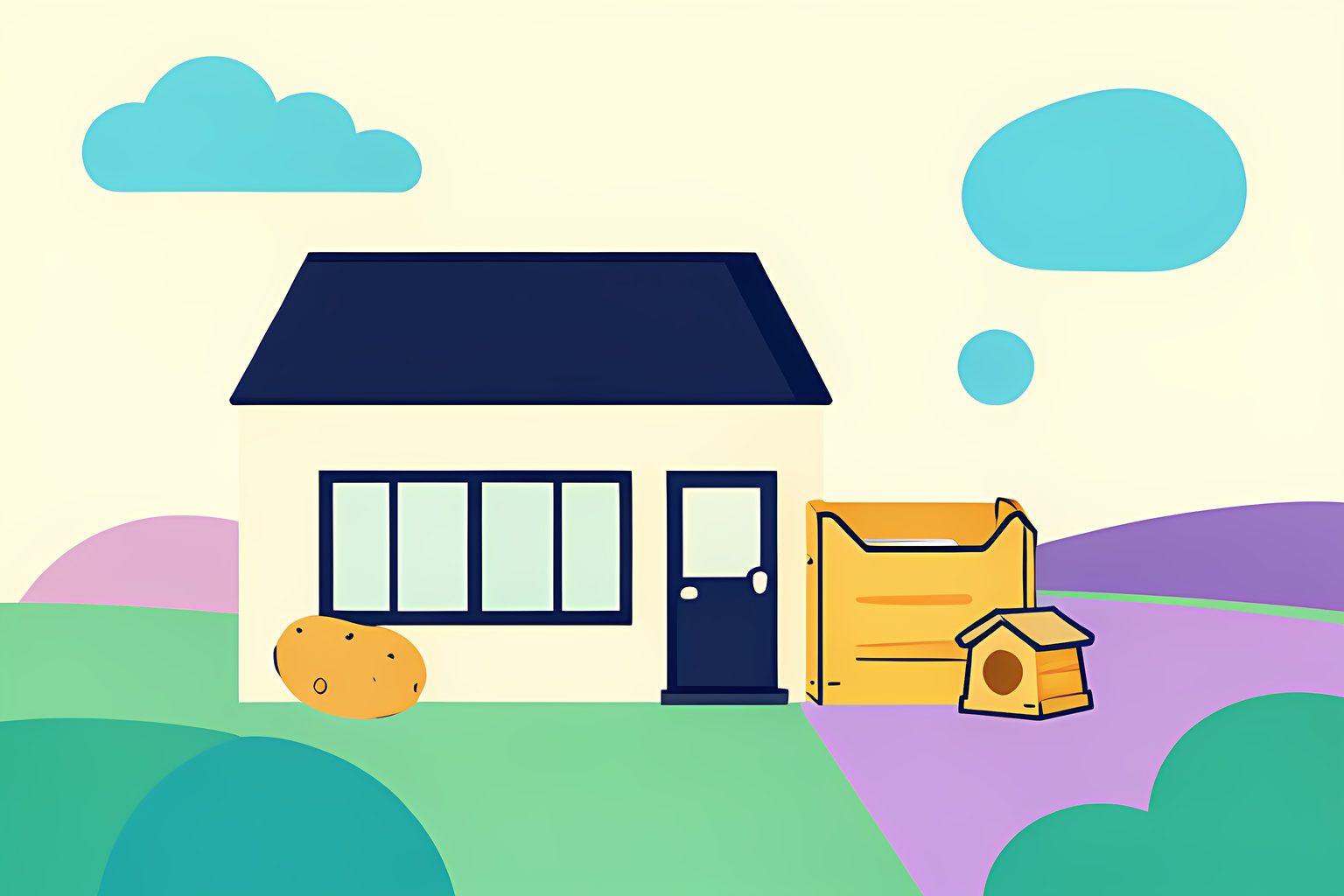
Forty tonnes of potatoes is an oddly specific invitation to open a shop. Diddly Squat Farm Shop says its 2020 beginning came after Jeremy Clarkson found that his farm had produced that much potato crop; he and Lisa Hogan then added hives, apple juice, and milk from a local dairy. The origin story is more useful than celebrity fog. A harvest needed a customer.
That helps explain the question tucked inside a sudden Jeremy Clarkson search: why would people make a trip for a farm shop? A five-season Prime Video series gives Diddly Squat an unusually familiar setting, but the shop says it sells goods from its farm and other trusted local businesses. Its brand has also moved beyond one country lane through an exclusive wholesale partnership with Cotswold Fayre. The attraction is a blend of spectacle and actual retail.
That wholesale arrangement is more interesting than a celebrity souvenir story. The federation's account says the range now reaches independent retailers across the United Kingdom through Cotswold Fayre. Once a product works away from the camera-friendly farm gate, the customer is choosing it as a product, not simply a keepsake. A jar has to earn its place on a rainy Wednesday when nobody is discussing television.
The useful facts behind the fuss
- Shop origin
- Opened in 2020 after a 40-tonne potato surplus, according to the shop's account.
- What is on the shelf
- The shop says it sources products from Diddly Squat and trusted local businesses.
- Why the name is familiar
- Prime Video currently lists five seasons of Clarkson's Farm.
It starts with a farm, then adds an audience
The series is the amplifier. Prime Video currently lists five seasons of Clarkson's Farm, giving people plenty of time to get used to the landscape and recurring practical problems before they ever see a checkout counter. That familiarity likely makes the shop feel less like an anonymous stop and more like a place with a backstory. Few shop windows offer that kind of head start.
| Piece of the puzzle | What the sources show | Why it lasts longer than a novelty visit |
|---|---|---|
| A working farm | The shop's own history begins with a real crop surplus. | There is a tangible link between field and counter. |
| A wider local shelf | The shop says it also works with trusted local businesses. | A shopper can find more than one farm's story in one place. |
| A public story | Prime Video lists five seasons of Clarkson's Farm. | Familiarity gives first-time visitors a reason to be curious. |
| A route beyond the Cotswolds | Cotswold Fayre says its partnership carries the range to independent retailers nationwide. | The idea can travel without pretending every shop is the same. |
Farm retail shortens the distance between food and buyer
The Valuation Office Agency's farm-shop guidance describes direct selling as a way for farmers to sell food and other produce to the public, with the potential to improve margins while offering locally produced food. It also makes an important distinction: the label farm shop covers a very wide range of businesses. The word alone is not a sourcing guarantee, which is why provenance matters so much.
The clever part of a good farm shop is not a promise that every jar came from the hedge outside. Instead, it can make the chain of custody easier to ask about. Who grew this? Was it made nearby? Is it seasonal? Those are small, cheerful questions, and they are far more interesting than pretending a wooden shelf has magical powers.
A destination needs a reason to come back
A famous name can prompt a first visit. It cannot stock a counter every week. The same government guidance lists the less glamorous parts of viability: location, access, parking, competition, suitable buildings, and a steady supply of seasonal products that people want to buy. The list is a healthy corrective to the idea that farm retail is a charming side quest. Farm retail remains a business with deliveries, weather, and an inconvenient talent for requiring Tuesday mornings.
The Farm Retail Association frames its world as farm shops, farmers' markets, and pick-your-own businesses connected by local food and community. Diddly Squat sits at the famous end of that spectrum, but the underlying appeal is ordinary in the best way: people like buying something with a place attached to it.
Recognition helped, but it is not the whole explanation
The Cotswolds Awards listed Diddly Squat as its 2025 Best Farm Shop in the Cotswolds. One regional awards programme cannot prove that every visitor will have the same experience. Still, the recognition helps show why the shop became an easy shorthand for a category that is otherwise full of excellent, far less famous businesses.
Why the idea has a life beyond this one shop
Diddly Squat is not a blueprint every farm should copy. It has an audience most farms do not have, and direct retail takes money, time, stock, and patience. Yet the wider business instinct is hardly unusual. In 2024/25, 72% of farm businesses in England had some diversified activity, although that category includes far more than shops. A farm shop is one visible version of a much larger effort to create another route to income.
So the lasting answer is pleasantly unglamorous. Diddly Squat became popular because a public story made people look, then a real retail idea gave them something to do with that attention. Beneath the name, the memorable detail remains the same: a surprising pile of potatoes needed somewhere to go.
Sources
Every factual claim above traces to one of these. Links open in a new tab.