Why a Farm Shop Counts as Farm Diversification

The shop may look like a cheerful extra, but it is a separate business that turns farm resources, food, and local trust into another route to income.
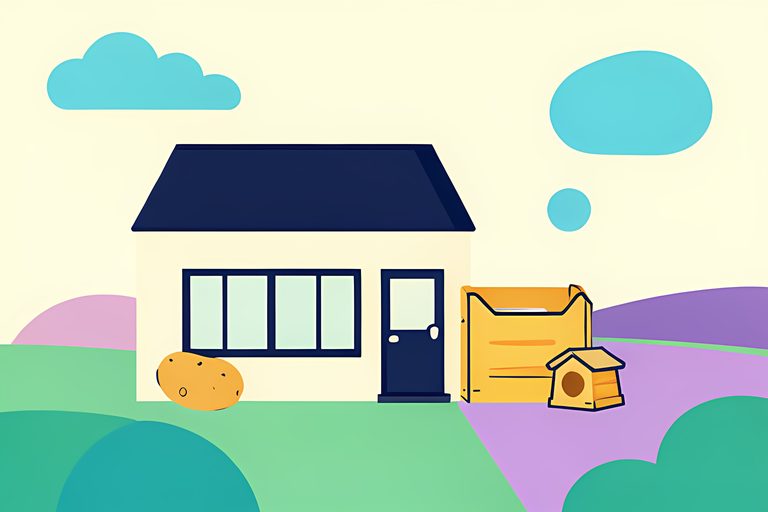
A potato does not have to become a crisp. It can simply be a potato. But once a farm chooses to pack it, tell its story, put it on a shelf, and sell it directly, the crop has joined a second business as well as a dinner.
That second business is why a farm shop counts as diversification. This is no decorative annex with jam. The shop uses the farm's produce, buildings, location, and know-how to bring in income alongside ordinary crop or livestock work. Diddly Squat's own account makes the idea unusually easy to see: a 40-tonne potato surplus led to a shop, followed by hives and a small range of drinks.
Diversification is a business word, not an identity test
The English farm-business statistics use a fairly specific definition. Diversified activity is entrepreneurial, non-agricultural work on or off the farm that uses farm resources; ordinary agricultural work for another farm is excluded. That is why the umbrella is broad. It can include letting buildings, energy generation, tourism, events, processing, or direct retail. A farm shop is one branch, not the whole tree.
| Farm starting point | Extra business move | What changes |
|---|---|---|
| A crop or livestock product | Sell it directly through a shop | The farm takes on retail as well as production. |
| A raw product | Process, package, or pair it with complementary local goods | There can be more value and more customer contact. |
| A farm site and its buildings | Create a place people can visit | Access, staffing, stock, and visitor experience become daily work. |
Where the shop fits in
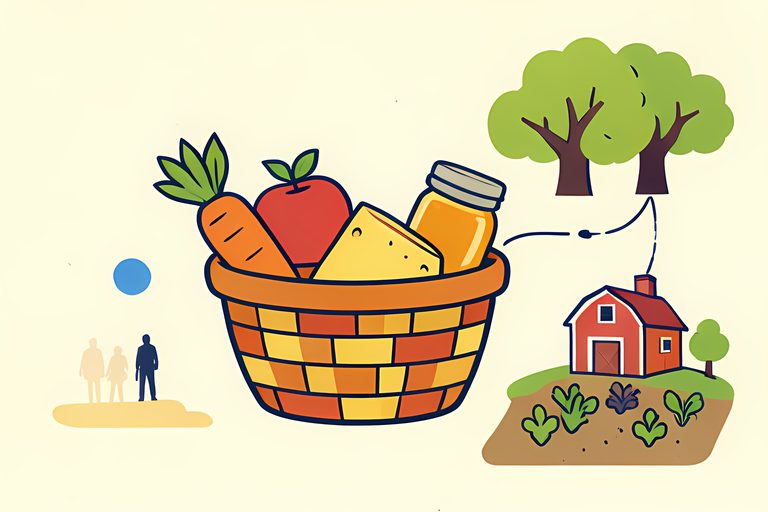
The Valuation Office Agency's guidance says farm shops let farmers sell food and other produce directly to the public. It also notes the commercial logic: direct selling can improve margins and offer fresh local food to shoppers. In other words, the shop is not merely an outlet at the end of the farm. It changes who the farm sells to and how the farm earns.
The Diddly Squat example is useful precisely because it is concrete. Its own shop history says the potato crop came first, then the shop, then hives and drinks. The sequence is the lesson. A diversification often begins with something already present on the farm, then asks whether it can be sold differently, combined differently, or made easier for a customer to find.
- Direct retail can connect a farm to the person cooking dinner, instead of only to the next business in a supply chain.
- A shop can also make room for nearby producers, which broadens the selection without claiming every product grew on one holding.
- The extra income is paired with extra work: ordering, staffing, pricing, food handling, customer service, and a shelf that cannot be left to fend for itself.
The numbers explain why the idea keeps appearing
In 2024/25, 72% of farm businesses in England had some diversified activity. Among businesses with those activities, the reported mean enterprise income was £31,100. Those figures do not say that every farm shop is profitable, or that a shop is right for every farm. They do show that farmers are not treating diversification as an eccentric hobby.
The Country Land and Business Association makes the trade-off especially plain: direct retail can offer a premium and direct access to consumers, but it demands day-to-day administration, supply, and management. That is the difference between a lovely farm-shop photograph and the actual job. The photograph goes home at closing time. The invoices do not.
Why direct selling feels different
The Nuffield Farming Scholarships study on direct-selling ventures found recurring benefits and recurring obstacles. Farms can retain more of the connection to their product and hear directly from customers, while finance, time, infrastructure, sales routes, and marketing remain serious constraints. That is a better frame than calling the whole thing a side hustle.
A good farm shop is therefore a small piece of business architecture. It gives a crop another possible ending, a customer another useful question, and sometimes a local producer another shelf. The charm is real. So is the clipboard behind the counter.
Sources
Every factual claim above traces to one of these. Links open in a new tab.
- Visit the Shops
- Chapter 5: Diversification
- Rating Manual section 5a: valuation of all property classes - Farm shops - Guidance
- Farm Diversification Ideas
- Farm diversification ideas and examples: new ways to make your land more profitable
- From farm to fork, from barn to brand: a study of farm diversification