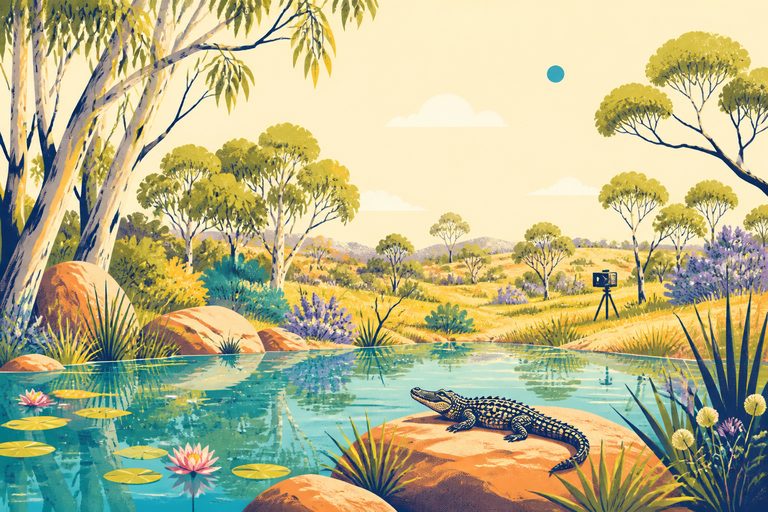
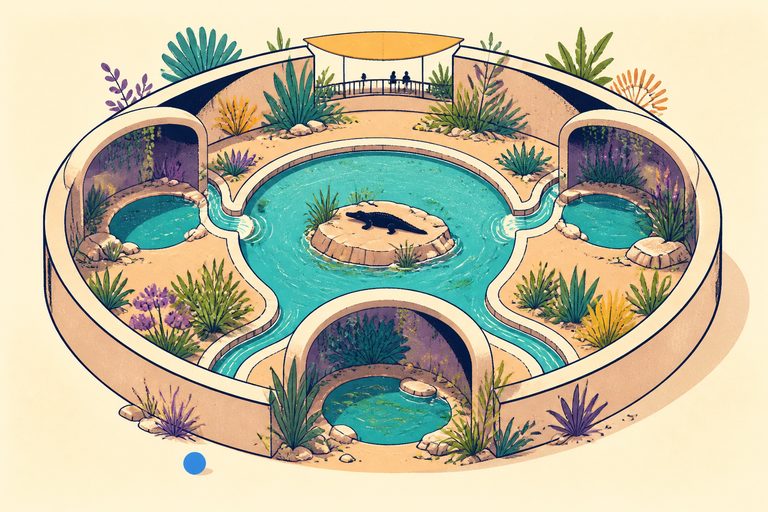
A Wildlife Photo Earns Trust Before It Earns a Like

Robert Irwin uses a camera as part of conservation work. The idea works only if the image protects the animal, tells the truth about its setting, and gives attention somewhere useful to go.
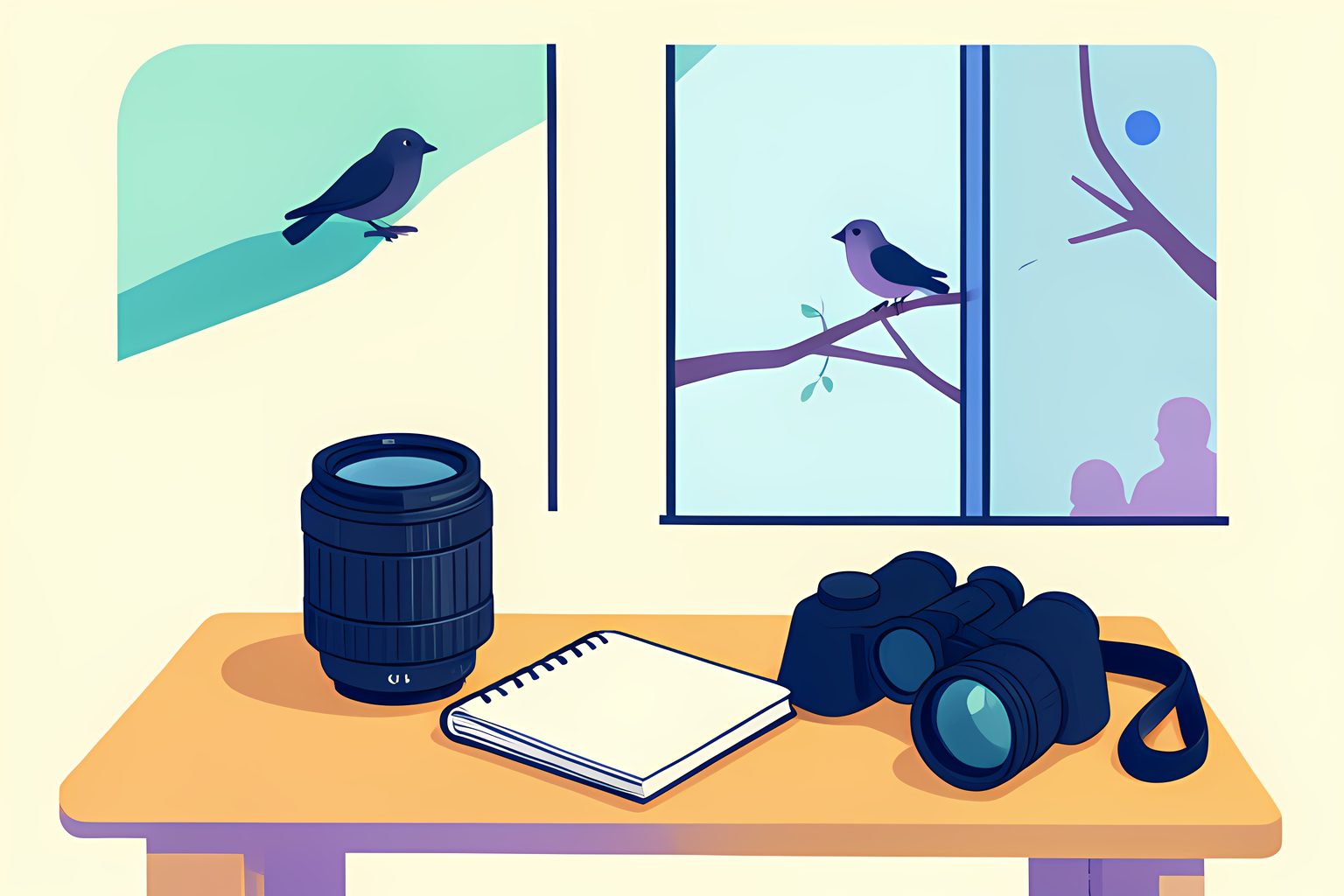
A long lens is a small act of good manners. It lets a photograph feel intimate while the photographer stays far enough away for the animal to continue its day. The National Park Service puts it plainly: use a zoom lens, give wildlife room, and treat each park's distance rules as local rules rather than universal folklore. Its wildlife-watching guidance is useful far beyond a single park.
That idea is the real connection between wildlife photography and conservation. A striking image can make a person care, but it has to earn the right to do so. Robert Irwin's Australia Zoo profile lists nature photography alongside his conservation and presenter work. In a 2017 Australian Geographic interview, he described the patience involved in waiting for a wildlife image. Those are good beginnings. They are not the whole ethical test. Australia Zoo's profile and the earlier interview help explain why the camera matters to him.
First, protect the scene
The strongest rule is pleasantly simple: if the animal changes its behavior because of you, give it more room. The National Park Service says exact viewing distances vary by place and species, and recommends binoculars or a zoom lens instead of moving closer. Its San Juan Island guidance adds a practical reminder that many close-looking photographs are made with a long lens and careful cropping. The park-service photography guide is specific to that location, but its basic courtesy travels well.
For birds, Audubon's standards are sharper still: use a telephoto lens, do not force a bird to fly for a picture, respect nest areas, and let the animal's welfare outrank the image. The organization also advises photographers to think carefully before broadcasting the location of a sensitive species. That may make a gallery less dramatic. It makes the gallery more worthy of the animal. Audubon's ethical-photography guide is a fine antidote to the urge to turn every sighting into content.
Then make the caption honest
A beautiful image can mislead without a single false pixel. Was the animal wild, captive, rehabilitating, baited for supervised research, or photographed at a facility? Audubon says captions should say when a bird is captive and explain the circumstances when possible. That standard is generous to readers and animals alike. It lets the wonder stay intact without making a story seem wilder than it was.
This is especially useful when a picture comes from a zoo, sanctuary or rehabilitation setting. The honest caption may be less cinematic, but it teaches someone how the image was made. A photograph should not need a tiny act of deception to feel impressive.
Finally, give attention somewhere to go
Photography does not protect habitat by itself. It can, however, direct a person's attention toward a real next step: a research project, a park rule, a conservation group, or a donation with a named purpose. Australia Zoo's product description for Robert Irwin's Australia says the book's profits go toward wildlife conservation. That is a concrete, if commercial, example of the intended chain from image to support. The book page should be read as the seller's own account of where the proceeds go.
The better lesson is portable. If a photograph asks people to care, give them a truthful place to put that care. Link a local wildlife organization. Name the field project. Explain a park's rules. The photo earns a longer life when it becomes a doorway instead of a dead end.
The quiet thrill is the better one
Wildlife photography is often sold as a hunt for closeness. The more satisfying version is a lesson in distance. An animal that barely notices the camera has been allowed to remain itself, which is both better for the animal and better for the story. A long wait, a quiet footpath, a patient bird doing exactly nothing for twenty minutes: none of that is glamorous in the moment. It can make the photograph feel wonderfully alive later.
That is why Robert Irwin's photography makes sense as one lane in conservation work, rather than a decorative side project. The camera can create the first spark. Careful behavior and honest context keep it from burning the thing it claims to love.
Sources
Every factual claim above traces to one of these. Links open in a new tab.