3 YouTube TV Library Checks When a Channel Leaves

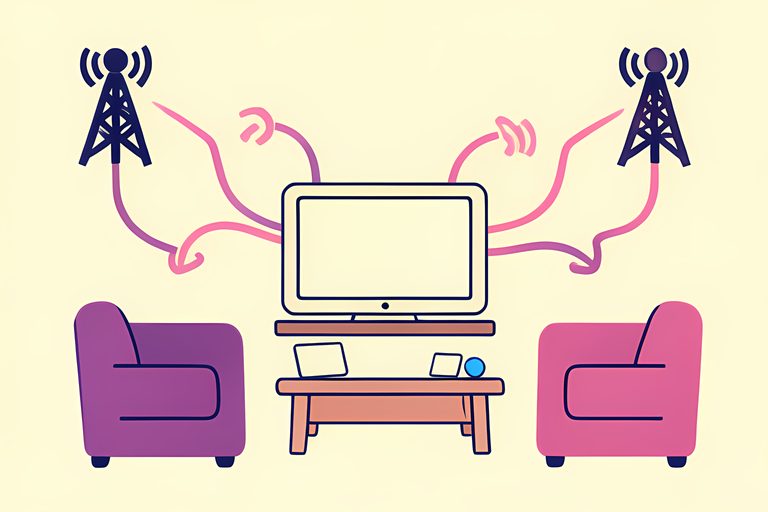
A departing live channel can affect more than one place on the screen. These three checks separate a missing guide tile from a disappearing recording and a different kind of viewing option.

A saved episode has a way of making itself at home. It waits in the Library with its little thumbnail and the reassuring air of a book already on the bedside table. I prefer to think of YouTube TV's DVR as a lending library rather than an attic box, because that picture makes the fine print easier to understand when a channel leaves.
The distinction matters in the September 30, 2026 notice reported by Cord Cutters News. The message said Court TV, Tastemade and The Young Turks would no longer be available on YouTube TV, and it explicitly included content members had recorded from those channels. That is a specific notice about a specific departure. It should not be stretched into a rule that every channel change works identically.
1. The live guide can change before the Library tells the whole story
The Live tab is the schedule right now. YouTube TV says it can be customized, so a viewer may hide networks or move favorites higher in the guide. The Library is a separate place for scheduled and recorded shows, sports, events and movies. A channel disappearing from the live lineup ends future live access through that service, but the Library question needs its own answer. Look for it in the notice rather than treating a guide tile as the final word.
There is a tiny bit of good housekeeping here. If a custom guide is active, changes made on the web or mobile settings carry across devices, according to YouTube TV's help page. I would tidy that list after any lineup change. A calm row of the channels a household actually watches is a surprisingly decent consolation prize for a remote-control problem.
2. Nine months is a ceiling, not a promise for every title
YouTube TV's terms say recordings may be stored for up to nine months. Its recording guide says a program added to the Library will capture current and upcoming airings, and that recorded programs remain available until they expire. Those are generous rules for ordinary use, especially when a show reruns often enough to keep refreshing the Library. The service also says members can add as many programs as they want without a storage-space limit.
But the same terms place two important limits beside that cheerful abundance. Google may remove access when it is asked to do so, and recording may not be available on all programs at a content partner's discretion. The reported September channel notice is an example of why that language exists. I checked both sources because the important phrase is not simply nine months. It is up to nine months.
3. A Library recording, on-demand episode and YouTube video are different things
The same program title can show up in several forms, and they do not have matching rules. A Library recording comes from an airing added to the DVR. An on-demand version is supplied by a network and can carry restrictions such as ads that cannot be skipped. A regular YouTube video may be available in the YouTube app or within YouTube TV's broader interface, but it is not automatically the same episode or the same viewing rights. YouTube TV's help center says it redirects viewers to the YouTube app for YouTube videos that are not available on YouTube TV.
For Court TV specifically, its own current Find Us page offers a market selector for local affiliates and links to ways to watch. That does not establish where every program will be available after September 30. It does show why a channel's official site is a better next stop than a pile of old social posts. Availability is allowed to be a little boringly specific.
The useful conclusion is modest. A channel exit can change the live guide, the future of a Library recording and the options around a program, but those are three different questions. Once we separate them, the cloud DVR stops feeling capricious. It becomes a very roomy library with due dates, house rules and a helpful habit of saving the shows that return for another airing.
Sources
Every factual claim above traces to one of these. Links open in a new tab.